You have finally finished your kitchen remodel, updated that vintage bathroom, or perhaps installed a new, high-efficiency water heater. Your home feels refreshed and modernized, but there is one final step that many homeowners skip—a step that is critical for ensuring the health and safety of your newly improved space.
Whenever you touch your plumbing system during a renovation, you create the potential for new contaminants to enter your water supply. Before you pour that first glass of water or start your first load of laundry, it is time to consider post-renovation water testing.
Why Renovations Can Compromise Your Water
Plumbing work is inherently invasive. Even the most skilled contractor, when cutting into old pipes or installing new fixtures, can unintentionally shift the balance of your water chemistry. Here is why your water quality can change after the dust settles:
- Disturbed Sediment: In older Long Island homes, the pipes are often lined with years of mineral buildup and sediment. Cutting into these lines or shutting off and restarting the water supply can dislodge this material, sending a surge of rust and minerals through your new fixtures.
- The Introduction of Bacteria: Whenever a plumbing system is opened, there is a risk of introducing environmental bacteria into the lines. Even if the work was performed perfectly, the process of exposure to the outside air can lead to temporary contamination.
- Solder and Flux Residue: If your contractor used lead-free solder or chemical fluxes during the installation, there can be a temporary leaching period where these substances are present in the water.
- Fixture-Specific Leaching: If you have installed new, high-end faucets or fixtures, they often need a “break-in” period. Sometimes, manufacturing residues can affect the taste or safety of the water until they have been properly flushed and cleared.
The Dangers of Assuming Your Water is “Safe”
It is tempting to believe that because the work is “new,” the water must be better. Unfortunately, this is a dangerous assumption. Relying on visual observation—the classic “let the water run for a few minutes”—is not enough.
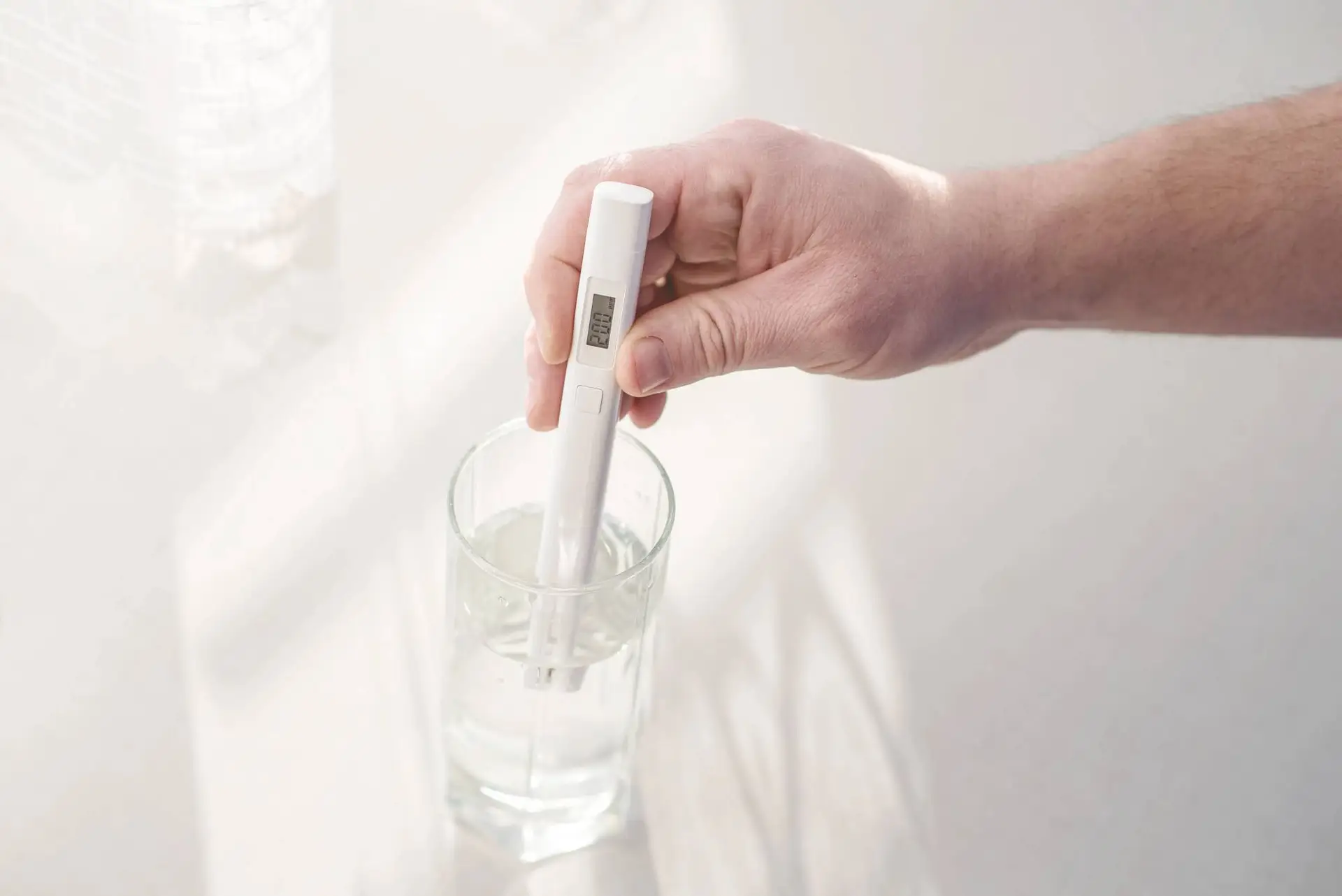
Bacteria, heavy metals, and chemical contaminants from your renovation materials are invisible. You cannot taste, smell, or see them, but they can still be present in the water you use for drinking and cooking. Professional water testing acts as your final “quality control” audit, confirming that your home’s plumbing is not just physically sound, but also chemically safe.
When to Schedule Your Post-Renovation Test
We recommend scheduling a water analysis shortly after your final plumbing connections have been verified and the system has been pressurized. Specifically, you should test if:
- You have had significant re-piping: If a major portion of your plumbing system was replaced, you need to verify the integrity of the entire loop.
- You installed a new filtration or treatment system: You need to confirm that your new investment is performing exactly as intended.
- Your well was serviced or the pump was replaced: Any change to your wellhead or pump infrastructure requires a post-service bacterial analysis.
What the Data Tells You
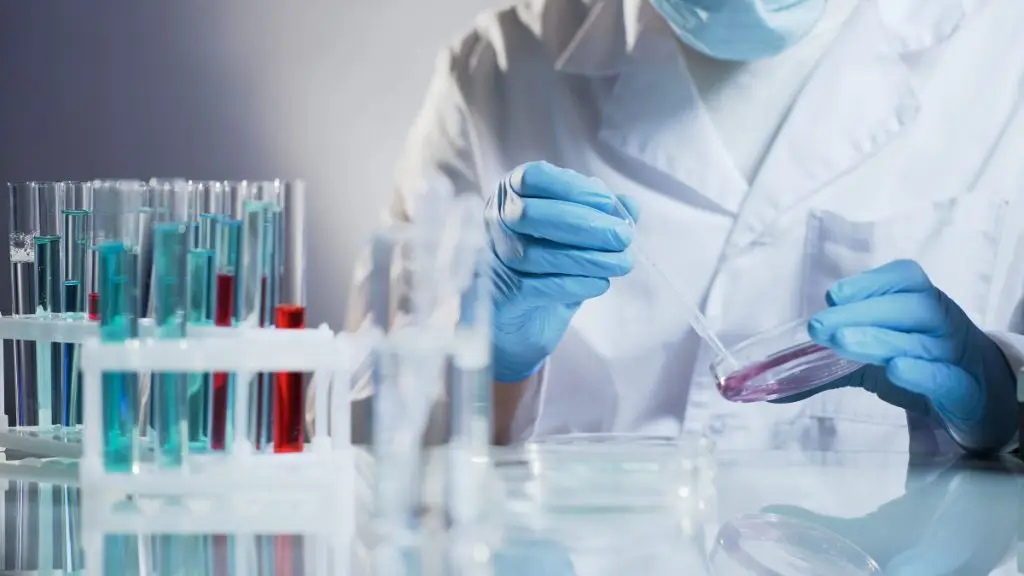
When you invest in professional water testing after a renovation, you are getting more than just a “pass” or “fail.” You are getting an objective data set that tells you:
- Baseline Quality: You now have a record of what your new system is producing, which is invaluable for identifying future changes in water quality.
- Verification of Materials: You can confirm that your new fixtures are not leaching contaminants.
- Peace of Mind: You can move forward with confidence, knowing that your kitchen or bath isn’t just beautiful—it’s safe for your family to use.
A Final Tip for Homeowners
If you are planning a project, make “Water Quality Check” a line item in your renovation budget. It is a small investment compared to the cost of your remodel, but it pays dividends in long-term health and equipment longevity.
For those looking to learn more about what we look for during post-renovation assessments, our FAQ page covers common concerns regarding plumbing updates. Alternatively, if you have just finished a project and want to ensure everything is in perfect order, contact our team today. We can help you navigate the unique Long Island water issues that can arise after your home’s latest transformation.
Are you finishing up a home improvement project? Don’t leave your family’s water safety to chance. Schedule a professional assessment and ensure your home is as healthy as it is beautiful.