
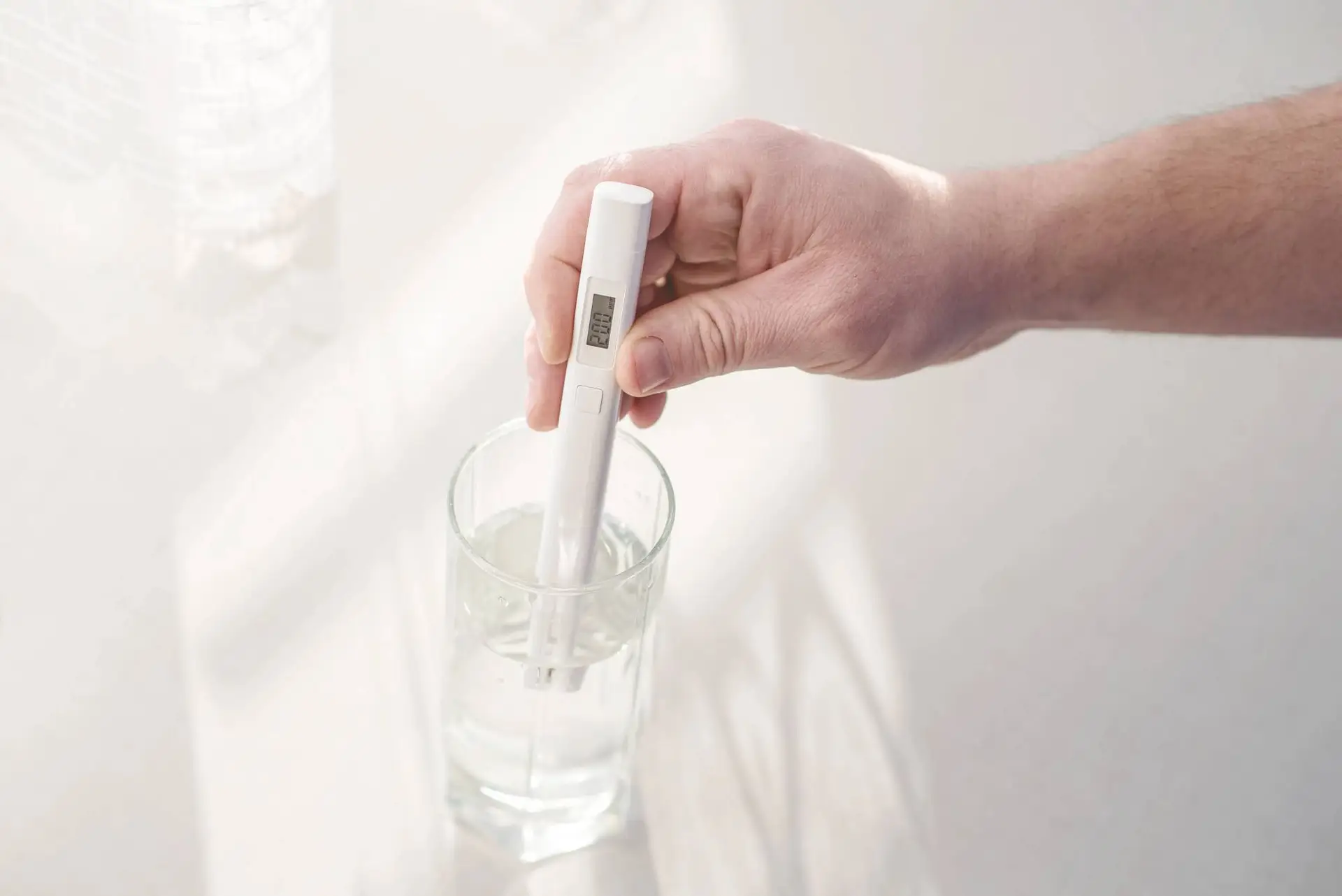
For property managers overseeing a portfolio of residences across Long Island, the challenges of maintenance are constant. You are managing diverse properties—from mid-century garden apartments to luxury high-rises—each with its own plumbing history, infrastructure quirks, and resident expectations. In this high-stakes environment, water quality is often treated as a “reactive” issue: you respond when a tenant complains about discolored water or a spike in equipment failure.
However, the most successful property managers are moving toward a proactive model. By establishing standardized water quality benchmarks, you can shift from a cycle of emergency repairs to a system of predictable, cost-effective asset management.
The Problem with Reactive Management
If you wait for a resident to complain about their water, you have already lost the advantage. A tenant’s complaint is a lagging indicator of a problem that has likely been developing for months. By the time a resident notices an odor, a taste, or a stain, you are already facing potential issues such as:
- Corroded Internal Infrastructure: By the time water quality changes, your building’s piping may already be compromised by years of aggressive, acidic water.
- Boiler and Appliance Damage: High mineral content (hard water) is the silent killer of commercial water infrastructure, leading to scaling in boilers and cooling towers that significantly shortens their lifespan.
- Liability Concerns: For multi-family housing, water quality is a significant factor in resident satisfaction and legal liability. Without documentation, you are vulnerable to claims regarding health and safety.
Setting the Benchmark: What Matters?
Establishing a benchmark isn’t about testing for everything every single week; it’s about having a clear, data-driven profile of your buildings. A robust benchmark program for a Long Island property manager should focus on:
- Baseline Chemistry (The “Why”): Know the pH, alkalinity, and hardness of the water entering your buildings. This tells you if your water is naturally corrosive (damaging your pipes) or scaling (damaging your boilers).
- Heavy Metal Trends: By testing annually, you can spot shifts in lead or copper levels before they exceed regulatory safety standards, allowing you to prioritize capital improvements (like upgrading aging brass fixtures) on your own schedule.
- Microbial Health: For buildings with cooling towers or large-scale hot water systems, monitoring for Legionella is a non-negotiable part of risk management.
- Treatment Effectiveness: If your buildings have existing water softeners or filtration systems, your benchmarks verify whether those systems are actually functioning as designed.
Why “Local” Data is Your Best Asset
Long Island is not a single water zone. The groundwater conditions in one part of Nassau County can differ drastically from the Suffolk County water supply. Relying on municipal reports is helpful, but it only tells you about the water before it enters your building.
The Long Island water issues that impact your bottom line happen inside your property. By centralizing your water testing data, you can:
- Budget Smarter: Instead of guessing where to spend your maintenance budget, you can direct funds toward the buildings that show the highest signs of corrosive stress.
- Documented Safety: In an increasingly litigious environment, having a history of professional testing is a critical component of your risk mitigation strategy.
- Increase Property Value: Modern, tech-savvy residents care about water quality. Being able to demonstrate that you monitor and maintain water standards is a significant marketing advantage.
Partnering for Success
You don’t have to manage this alone. A consistent testing schedule is the most effective tool in your maintenance arsenal. We work with property managers across the region to simplify the process of establishing and maintaining these benchmarks.
We invite you to review our property types overview to see how we tailor testing programs to different building configurations. Whether you need a simple annual assessment or a more frequent monitoring schedule for complex systems, our team provides the expert, objective data you need to make informed decisions.
Don’t let the next tenant complaint be your wake-up call. Visit our FAQ page to learn more about our commercial testing capabilities, or contact us today to discuss creating a standardized water quality benchmarking plan for your portfolio. Let’s make your water infrastructure an asset rather than a liability.
Are you managing a portfolio of properties? Stop responding to emergencies and start managing your water infrastructure with data. Contact us today to set up your benchmarking program.