In the conversation about Long Island’s water quality, heavy metals like lead and copper often steal the headlines. It’s understandable: the long-term neurological impacts of lead are well-documented and frightening. However, as we move through 2026, a new urgency is emerging. Emerging biological threats and aging infrastructure have made it clear that bacteria testing deserves equal standing with metals testing in every residential safety plan.
While metals pose a chronic, long-term risk, bacterial contamination can cause acute, immediate illness. On Long Island, our unique geography where sandy soil allows surface contaminants to migrate quickly means that the biological health of our water is a dynamic and ever-changing variable.
The Acute vs. Chronic Risk Profile
The primary difference between metals and bacteria is the timeline of the threat. Heavy metals are “cumulative” toxins; they build up in the body over years. Conversely, pathogens like E. coli, Coliform, or Legionella can impact a family within 24 to 48 hours of exposure.
In early 2026, researchers from Stony Brook University highlighted a disturbing trend: warming groundwater temperatures and increased nitrogen runoff from Suffolk’s 360,000 aging septic systems have created “hotspots” for various pathogens. While much of this research focuses on the “flesh-eating” Vibrio vulnificus in our bays, the same environmental pressures nitrogen and heat can impact the safety of private wells and even compromise public distribution lines during a breach.
Why Bacteria Testing is Essential in 2026
If you are only testing for metals, you are looking at the “hardware” of your plumbing but ignoring the “software” of your water’s safety. Here is why biological diagnostics are non-negotiable:
1. The Vulnerability of Private Wells
For residents in central and eastern Suffolk County, private wells are a common property types. Unlike municipal water, which is continuously disinfected with chlorine, well water is untreated. Heavy rains or flooding increasingly common in our changing climate can wash surface bacteria into shallow aquifers. The New York State Department of Health strongly recommends that well owners test for bacteria at least once a year, particularly after any work is done on the pump or casing.
2. Biofilms in Aging Plumbing
In many locations across Nassau County, the issue isn’t the water coming from the street, but the “biofilm” growing inside older pipes. Over decades, a thin layer of bacteria can attach to the interior walls of pipes, especially in sections of the home where water doesn’t move frequently (like a guest bathroom). This biofilm can shield harmful pathogens from the residual chlorine in the municipal supply.
3. Cross-Contamination During Repairs
Any time a water main breaks or a home undergoes a renovation, the system is opened to the environment. While the visible sediment might cause Long Island water issues like brown water, the invisible threat is the introduction of bacteria. Testing for bacteria after any major plumbing work is the only way to ensure the “disinfection” process was successful.
The Limitations of Visual Inspection
You cannot see, smell, or taste Total Coliform bacteria. In fact, water that is dangerously contaminated with bacteria can often look more “sparkling” than water with high mineral content.
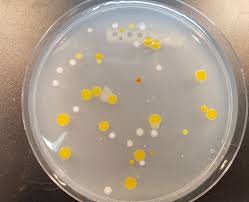
Professional water testing services utilize specialized incubation methods to detect even a single “colony-forming unit” (CFU). This level of precision is vital for families with infants, elderly residents, or immunocompromised individuals, for whom a “minor” bacterial presence can lead to severe gastrointestinal or respiratory distress.
A Balanced Diagnostic Approach
A truly safe home requires a balanced testing scope. At Olympian Water Testing of Long Island, we advocate for a “comprehensive baseline” that treats biological and chemical threats with equal weight.
- Metals Testing: To check the integrity of your pipes and long-term safety.
- Bacteria Testing: To ensure the immediate purity of the water for drinking, bathing, and cooking.
If you have questions about how often you should be checking for pathogens, our FAQ section breaks down the recommended intervals for both public and private water users. We also regularly update our blog with news on local environmental shifts that may impact your home’s water safety.
Take Action for Total Safety
Don’t wait for a “boil water” notice to think about the biological health of your tap. Whether you are on a private well in Suffolk or a historic property in Nassau, professional bacteria testing provides a layer of protection that metals testing alone cannot.
Contact us today to schedule a complete water analysis. By giving bacteria testing equal standing, you are ensuring that your water is safe today, tomorrow, and for years to come.