The Long Island real estate market has always been high-stakes, but as we move through 2026, the criteria for a “sound investment” are evolving. Beyond the granite countertops and the school district rankings, a new priority has emerged: the chemical and biological integrity of the home’s water supply.
In an era defined by emerging contaminants and aging infrastructure, a standard home inspection is no longer enough. To truly protect their health and their equity, Long Island home buyers must move past the basics and ask better, more targeted questions before they sign on the dotted line.
The Gap Between “Compliance” and “Safety”
The most common mistake buyers make is assuming that a “passed” municipal water report means the water at their specific tap is pristine. While local providers work tirelessly to meet EPA standards, there is often a “compliance gap.”
A municipal report tells you the quality of the water as it leaves the treatment plant. It does not reflect the journey that water takes through miles of potentially aging mains and, crucially, through the home’s own service lines. For buyers of specific property types particularly those built before the 1986 lead solder ban the most significant risks are often “localized” within the property’s own plumbing.
Four Critical Questions Every Buyer Should Ask
Before closing, a buyer should seek definitive answers to these four categories of inquiry.
1. “What is the material of the service line?”
In many historic locations across Nassau County, lead service lines remain in place. While New York State has funneled billions into infrastructure through the 2026 State of the State environmental commitments, the responsibility for the section of the pipe on private property often falls to the homeowner. Replacing a lead service line after closing is a significant, unexpected expense that should be negotiated during the inspection phase.
2. “Has the property been tested for PFAS in the last 12 months?”
PFAS, or “forever chemicals,” are a top concern for Long Island in 2026. Because these chemicals are persistent and mobile in groundwater, they can appear in areas previously thought to be safe. For homes in Suffolk County with private wells, this is a non-negotiable question. New York recently launched a pilot program to provide free PFAS testing for private well owners, and buyers should insist that sellers provide recent results from a certified water analysis.
3. “Are there legacy industrial plumes nearby?”
Long Island’s history as an aerospace and manufacturing hub has left a legacy of groundwater plumes, such as the Grumman-Navy plume in Bethpage. Buyers should ask for a “radius report” or check the New York State DEC records to see if the property sits above or near an active remediation site. This impacts not just drinking water, but potential vapor intrusion risks as well. These Long Island water issues are essential to understand before committing to a mortgage.
4. “When was the private well last serviced and tested?”
If the home is one of the thousands in Suffolk County that relies on a private well, it is its own utility. Buyers should ask for the well’s depth, its age, and a full panel of results including nitrates, bacteria, and Volatile Organic Compounds (VOCs). A well that is too shallow may be more susceptible to surface runoff and seasonal quality changes.
Moving Beyond the “Visual” Inspection
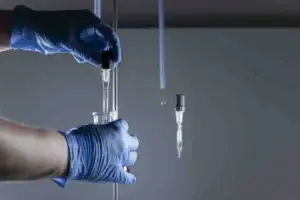
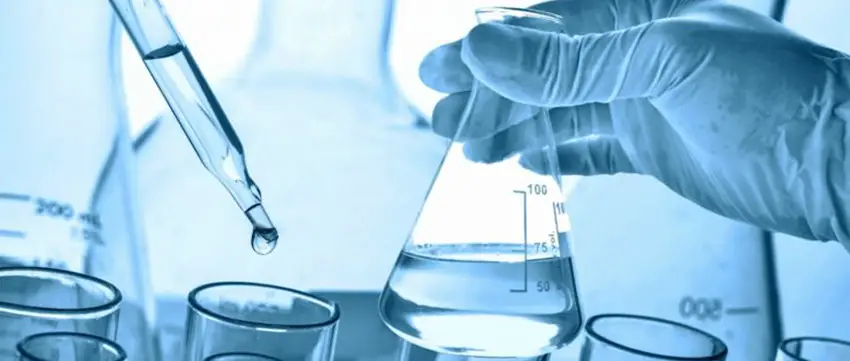
A standard home inspector will check for leaks and ensure the water heater works, but they are not chemists. This is why specialized water testing is becoming a standard “add-on” for savvy buyers.
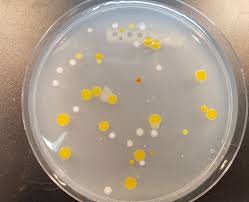
A professional lab report acts as a diagnostic “X-ray” of the home’s hidden systems. It can reveal if the water is corrosive (threatening your pipes) or if it contains invisible pathogens. We often hear from buyers in our FAQ who regret not testing earlier, only to find they need thousands of dollars in filtration equipment once they move in.
The Power of the “First Draw” Sample
One specific technical request buyers should make is for a “first draw” lead test. This requires the water to sit in the pipes for at least six hours before the sample is taken. This is the only way to accurately measure how much lead or copper is leaching from the home’s internal joints and fixtures. A “flushed” sample might look fine, but the first glass of water your child drinks in the morning could be vastly different.
Conclusion: Knowledge is Leverage
In the 2026 real estate landscape, the “best” home isn’t just the one with the biggest yard it’s the one with the cleanest data. By asking better questions, you gain leverage in negotiations and, more importantly, peace of mind for your family’s future.
Whether you are looking at a coastal estate or a suburban ranch, Olympian Water Testing of Long Island is here to provide the scientific clarity you need. We specialize in the hyper-local challenges of our island’s aquifers and infrastructure.
Don’t wait until after you move in to find out what’s in your water. Visit our blog to learn more about pre-purchase diagnostics, or contact us today to schedule a comprehensive water analysis before your closing date.