
For parents on Long Island, the “to-do” list is never-ending. Between school schedules, extracurriculars, and maintaining a home, the chemical composition of tap water often falls into the background of daily life. However, recent data has brought a sobering reality to the forefront: the water our children drink may contain levels of contaminants that exceed modern health standards, even if the water looks and tastes perfectly fine.
Protecting children requires a specific kind of vigilance. Because their bodies are still developing, they absorb more of certain toxins than adults do, and the long-term effects of exposure can be significantly more impactful. Providing families with clear, actionable guidance on Long Island water issues is no longer just a recommendation it is a public health necessity.
The “Schoolhouse” Reality: Lead in Aging Infrastructure
One of the most pressing concerns for Long Island families today is the state of school drinking water. In late 2025 and early 2026, reports emerged showing that dozens of school districts across both Nassau and Suffolk Counties had faucets or water fountains exceeding the state’s newly enforced limit for lead.
The New York State Department of Health recently lowered the “action level” for lead in schools from 15 parts per billion (ppb) down to 5 ppb. This change reflects a growing scientific consensus that there is no safe level of lead exposure for children. In some local middle schools and elementary buildings, fixtures have tested hundreds of times higher than this limit, often due to aging plumbing and lead-based solder used decades ago.
While schools are working to remediate these fixtures, the responsibility often shifts back to the home. If school infrastructure is struggling with lead, it is highly likely that residential property types of the same era are facing similar challenges.
The Rise of “Forever Chemicals” (PFAS)
Beyond lead, the conversation for families has shifted toward PFAS (per- and polyfluoroalkyl substances). These synthetic chemicals, once used in everything from non-stick pans to firefighting foam at local airports and military bases, have been detected in various locations across the Island.
For families with infants and young children, PFAS are particularly concerning. Research published in early 2026 suggests that PFAS exposure can impact infant health even before birth, potentially leading to lower birth weights and developmental issues. Because these chemicals “bioaccumulate” meaning they stay in the body for years reducing exposure as early as possible is the best strategy for long-term health.
Why Standard Testing Isn’t Always Enough
Many families rely on the annual water quality reports sent by their local providers. While these reports are valuable, they provide an average of the water at the source. They cannot tell you what is happening at your specific kitchen tap.
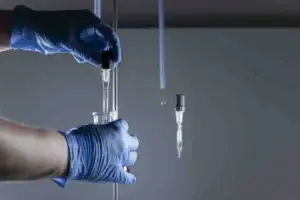
Professional water testing services are essential because they provide a point-of-use analysis. A certified test can identify:
- Point-of-Entry Contaminants: Chemicals like PFAS or 1,4-dioxane that may be present in the municipal supply.
- Point-of-Use Contaminants: Lead or copper leaching from your home’s own pipes or faucets.
For parents, this data is the difference between guessing and knowing. If you’re unsure where to start, our FAQ provides a breakdown of the most common contaminants found in suburban New York homes and what the current “safe” thresholds actually mean for your kids.
Actionable Steps for Parents
Knowledge is only useful if it leads to action. Here is how families can provide a safer environment for their children:
- Test the “First Draw”: Since lead leaches into water that sits still, have your water tested after it hasn’t been run overnight. This is the water your children likely drink first thing in the morning.
- Verify Your Filters: Not all filters are created equal. If you are concerned about PFAS or lead, ensure your filtration system is specifically certified to remove them. You can find more details on filtration efficacy on our blog.
- Stay Informed on School Progress: Check the public records for your child’s school district. Under New York law, schools must make their lead testing results available to the public.
- Use Cold Water for Cooking: Always use the cold water tap for making baby formula or boiling pasta, as hot water is much more likely to leach metals from your plumbing.
A Commitment to the Next Generation
At Olympian Water Testing of Long Island, we understand that nothing is more important than the health of your family. Our team is dedicated to providing Nassau and Suffolk families with the high-precision diagnostics they need to navigate the complexities of modern water quality.
The “better questions” families are asking today will lead to a healthier Long Island tomorrow. If you have concerns about the water in your home or your child’s school, don’t wait for a public notice to act.
Contact us today to schedule a comprehensive analysis and give your family the protection they deserve.