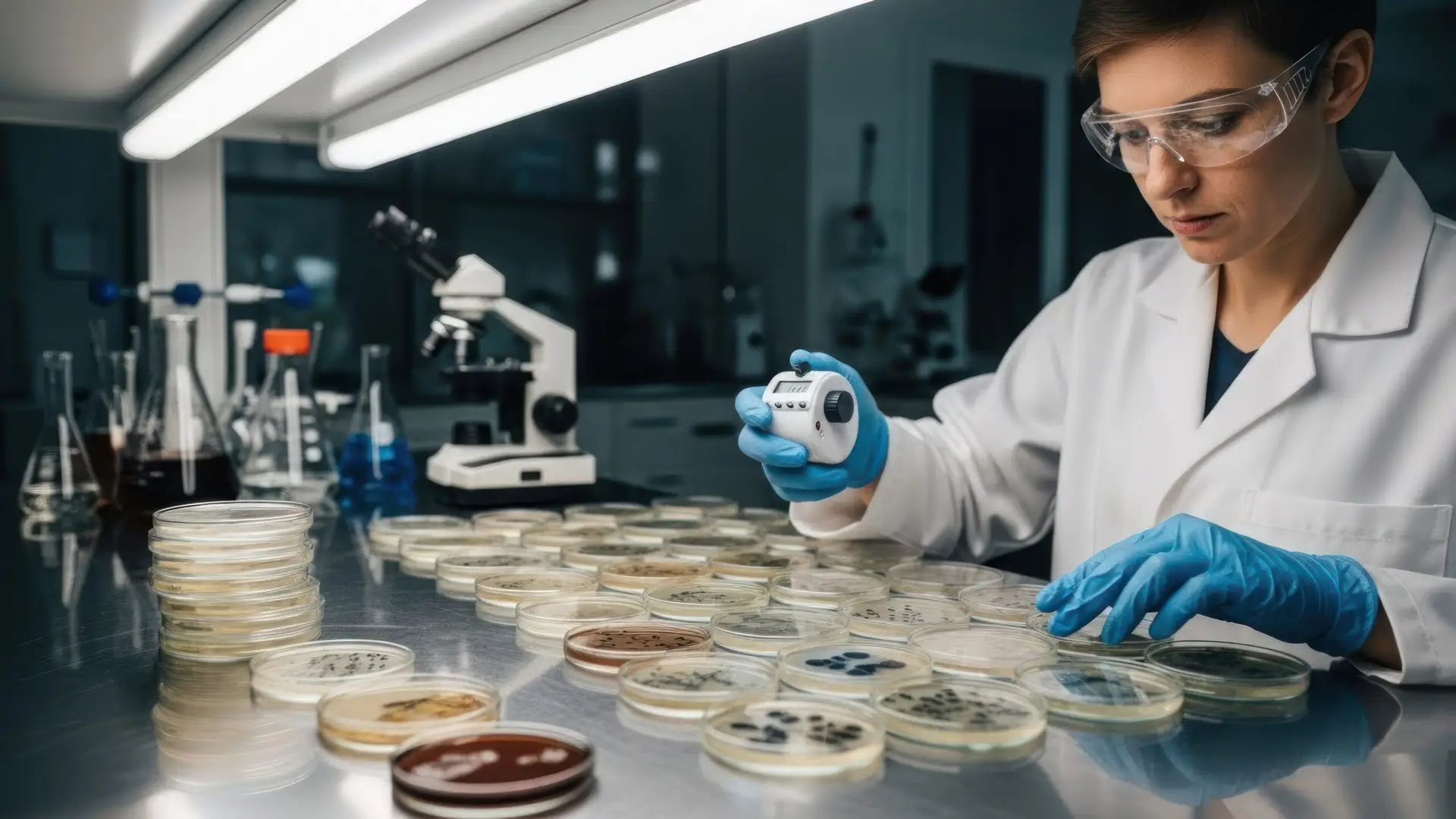
A professional water testing laboratory Manhattan reveals what is really flowing through their taps. Manhattan runs on a water supply that most people rarely think about, even though millions of residents drink, cook, and prepare baby bottles with it every day without considering what that water has encountered on its journey from upstate reservoirs to their homes. A comprehensive water analysis provides answers that a simple visual inspection or a landlord’s assurance cannot. This guide explains why water analysis is essential for local homes and buildings, the contaminants it can detect, and how Manhattan’s aging infrastructure and diverse building systems make routine water testing an important part of protecting your family’s health.
The Gap Between the Reservoir and the Faucet
New York City’s drinking water is legitimately excellent. It comes from protected watersheds in the Catskills and Delaware system, receives treatment and disinfection, and undergoes constant monitoring on its way into the city. When it reaches the main beneath your street, it meets every federal and state standard.
Then it enters a building, and the city’s jurisdiction ends.
From that moment, the water belongs to private plumbing: the service line, the risers climbing thirty floors, the rooftop storage tank, the branch lines, the fixtures at your sink. Manhattan’s buildings are old, tall, and densely plumbed. Every one of those characteristics changes the water, and none of them is monitored by anyone unless a resident or an owner asks for a test.
This is the gap that water analysis exists to close. The city’s excellent supply and your kitchen tap are two separate things, connected by decades of infrastructure nobody has looked at closely.
What Makes Manhattan Different
Height Changes Water
City pressure pushes water only to about the sixth floor. Everything above that depends on pumps driving water up to a rooftop tank, which then feeds apartments below by gravity. Water bound for the 28th floor spends far more time inside pipes than water reaching the 3rd, and longer contact time means more leaching of lead, copper, and iron.
The practical consequence surprises people: water quality can differ measurably between floors of the same building. A clean sample from the lobby proves nothing about the 22nd floor.
Rooftop Tanks Add a Storage Layer
Most upper-floor water passes through a rooftop tank before it reaches an apartment. City law requires annual cleaning and testing. Enforcement depends on owners following through, and they do not always follow through. Sediment settles. Warm summer water encourages bacterial growth. Debris enters through damaged covers. Water that left the city main clean can arrive at a faucet carrying contaminants it picked up in storage.
Prewar and Landmarked Buildings
Manhattan’s architectural heritage is a genuine treasure, and landmark designation protects it. What landmark status does not protect is the plumbing. Preservation reviews examine facades, not pipes. In some cases the rules actively discourage the disruptive renovations that would remove lead components, leaving century-old plumbing in service behind beautifully maintained walls.
Pre-1986 Construction Is the Norm, Not the Exception
Before 1986, lead solder, lead service lines, and lead-bearing brass fixtures were legal and standard. An enormous share of Manhattan’s residential stock dates from that era, and much of the original plumbing remains.
Piecemeal Renovation Across Decades
Buildings get repaired, rarely replumbed. Copper spliced to galvanized steel spliced to whatever was cheapest in a given decade. Dissimilar metals corrode each other at every junction, and each corroding joint sheds particles into the supply.
The Contaminant That Defines the Problem
Lead deserves separate treatment, because it breaks the rule every other contaminant follows.
Lead in water is colorless, odorless, and tasteless. A building with the worst lead problem on the block produces water that looks crystalline, tastes clean, and smells of nothing at all. A household can drink it every day for a decade while everything appears entirely normal.
It leaches from lead solder, lead service lines, and old brass fixtures. It leaches most aggressively when water sits still in the pipes overnight and when hot water runs through them. Health authorities recognize no safe level of exposure, and the harm falls hardest on infants, young children, and pregnant residents, affecting brain development, learning, and behavior permanently.
This single fact justifies the entire practice of water analysis. Every other contaminant might eventually announce itself. Lead never will.
What Else Analysis Detects
- Coliform bacteria and E. coli, which indicate that something has breached the system, usually a neglected rooftop tank, a corroded pipe, or a stagnant line. Contaminated water looks perfectly clear.
- Copper, which leaches under corrosive water chemistry and causes gastrointestinal distress and, over years, organ damage.
- Iron and manganese, which produce brown water, orange staining, and grit in aerators, and which signal that the plumbing is actively breaking down.
- Chlorine residual, which reveals whether disinfection survived the trip through the building’s storage and distribution.
- pH and total dissolved solids, which describe how aggressively the water attacks the pipes it passes through, driving the release of every metal above.
- Turbidity and sediment, which quantify what the water is carrying.
How Professional Analysis Works
Controlled Sampling
The collection stage determines whether the result means anything. Technicians use sterile containers and follow strict protocols on timing, preservation, and handling.
For lead, they typically collect a first-draw sample, taken after water has sat motionless in the pipes for hours, capturing peak concentration. They pair it with a flushed sample, collected after the tap has run. The comparison is diagnostic. A high first draw with a clean flush points to the apartment’s own fixtures and branch line. Elevated readings in both point upstream to the riser or the service line.
That distinction determines the fix, and the difference between replacing a faucet and replacing a service line is measured in tens of thousands of dollars.
Laboratory Measurement
Instruments detect metals at parts-per-billion concentrations, far below any human threshold of perception. Cultures reveal bacteria in water that looks entirely clean. Calibrated meters measure the chemical parameters that govern corrosion.
Comparison and Interpretation
Every result is measured against Environmental Protection Agency and New York State standards, producing not just a number but a verdict, along with an explanation of where the problem originates and what action it calls for.
Why This Matters for Property Managers, Not Just Residents
Owners and managing agents have their own reasons to analyze water, and they are not primarily sentimental.
Legal Obligation
Building owners must clean and test rooftop tanks annually, maintain the records, and produce them for residents who ask. Failure is a violation, and a documented complaint from a tenant with a laboratory report attached is a far harder thing to dismiss than a phone call.
Early Detection Is Cheaper Than Emergency Repair
Elevated iron and falling pressure are early evidence of a riser approaching failure. Catching that before it bursts inside a wall on the 19th floor is the difference between a planned project and a flooded stack.
Documentation Protects Owners
A record of regular testing and prompt remediation is the strongest defense a building has if a water quality dispute ever arises.
Resident Trust
Buildings that test proactively and share results without being pressed retain tenants, attract buyers, and generate fewer complaints. Transparency about the invisible systems signals competence about everything else.
When Analysis Is Warranted
- Any building constructed before 1986, regardless of how the water looks or tastes.
- Any household with an infant, young child, or pregnant resident. Treat this as urgent.
- Any apartment above the sixth floor, where water passes through a rooftop tank and travels long distances.
- Any building whose management cannot produce a recent tank cleaning record.
- After a change in taste, color, odor, or clarity.
- After nearby street work or a main break, which dislodges deposits and disturbs connections.
- After a period of vacancy, when water stood motionless in the pipes.
- When nobody has ever sampled your tap, which means you have no data at all about water your household drinks daily.
Why Home Test Kits Are Not the Answer
Drugstore strips cost almost nothing and can flag something dramatic. They cannot do this job. Lead is dangerous at concentrations orders of magnitude below what a color-changing strip can resolve, so a strip reading “negative” often means only “below my detection limit,” which is a different statement entirely. Kits also lack controlled sample handling, calibration against known standards, and the documentation you would need to compel a landlord or a co-op board to act. A certified water testing laboratory Manhattan households turn to delivers precision and evidentiary weight that no consumer product approaches.
Frequently Asked Questions
Is Manhattan tap water safe to drink?
The city supply meets or exceeds every federal and state standard when it reaches the street main. Contamination typically develops inside individual buildings, where aging pipes, lead solder, old fixtures, and rooftop storage tanks introduce lead, bacteria, and sediment. Your tap’s safety depends on your building’s plumbing, not on the reservoir.
Can water quality really differ between floors?
Yes. Water bound for upper floors travels much farther, spends more time in contact with pipes, and usually passes through a rooftop storage tank that lower floors bypass. Those factors raise metal and bacteria levels, so a clean sample from the lobby says little about the 25th floor.
My water looks and tastes perfect. Do I still need analysis?
If your building predates 1986, yes. Lead is colorless, odorless, and tasteless, so flawless-looking water can still carry unsafe levels. Sensory quality reveals corrosion and sediment; it reveals nothing at all about lead.
Does landmark status mean my building’s water is safe?
No. Preservation rules protect facades, architecture, and historical character. They never examine plumbing or water quality, and they sometimes discourage the renovations that would remove lead components. Historic designation offers no assurance about what comes out of the tap.
What is the difference between a first-draw and a flushed sample?
A first-draw sample is collected after water has sat in the pipes for hours, capturing peak metal levels. A flushed sample is taken after the tap has run. Comparing them shows whether contamination originates in your own fixtures or upstream in the riser and service line, which determines what needs to be replaced.
What should I do if analysis finds a problem?
Switch to filtered or bottled water for drinking and cooking immediately. Deliver the certified results to your building owner in writing with a request for a specific remediation plan, dates, and follow-up testing. If the owner ignores a documented problem, file a complaint with the New York City Department of Health and Mental Hygiene and include the report.
Replace Assumption With Evidence
Manhattan’s water arrives excellent and leaves the tap as whatever the building made of it. Between those two points sit rooftop tanks nobody has opened in years, risers installed before the Second World War, and lead solder sitting quietly at every joint. None of that is visible from a kitchen, and the most serious threat among them will never announce itself in a glass.
Olympian Water Testing gives Manhattan residents and property managers the measurement that closes the gap. Their team collects first-draw and flushed samples at your own tap using certified laboratory protocols, screens for lead, bacteria, metals, and every contaminant that aging buildings release, and returns a clear report explaining what the numbers mean and where the problem starts. Contact Olympian Water Testing today, schedule an analysis for your home or building, and find out exactly what has been coming out of your tap all along.