Groundwater contamination is one of the most important environmental and public health concerns affecting Long Island today. Among the most widely discussed and closely monitored issues is the Bethpage plume, a large area of contaminated groundwater located in Nassau County. For homeowners, property managers, and real estate professionals across Long Island, understanding the origins, movement, and impact of this plume is essential for ensuring safe drinking water and long-term property value.
Because Long Island relies almost entirely on groundwater from underground aquifers, any contamination within this system has the potential to affect residential water supplies. Professional water testing services, certified laboratory analysis, and environmental monitoring programs play a critical role in identifying risks and maintaining water quality across the region.
What Is the Bethpage Plume?
The Bethpage plume refers to a significant body of contaminated groundwater that originated from historical industrial activity in the Bethpage area. Decades ago, manufacturing operations, particularly in the aerospace and defense industries, used chemicals and solvents that were later found to be harmful to the environment. Improper disposal practices allowed these substances to seep into the soil and migrate into the underlying aquifer system.
Over time, these contaminants spread through the groundwater, forming what is now known as the plume. The size and movement of the plume have made it one of the most extensively studied groundwater contamination cases in New York State. It continues to be monitored by environmental agencies and water authorities to track its progression and assess its impact on public water supplies.
The plume primarily consists of volatile organic compounds (VOCs) and other industrial chemicals that can persist in groundwater for long periods. Because these substances are capable of moving with the natural flow of groundwater, they can travel significant distances from their original source.
Why Groundwater Matters on Long Island
Unlike many regions that rely on surface water sources such as rivers and reservoirs, Long Island depends almost entirely on groundwater drawn from a sole-source aquifer system. This aquifer is composed of layers of sand, gravel, and soil that store and transmit water underground. It supplies drinking water to millions of residents across Nassau and Suffolk Counties.
This dependence on groundwater makes Long Island particularly vulnerable to contamination. Once pollutants enter the aquifer, they can remain there for years or even decades, gradually spreading through the system. Unlike surface water, groundwater is not easily flushed or replaced, making contamination issues more complex and long-lasting.
For this reason, environmental protection, monitoring, and water testing are essential. The presence of the Bethpage plume highlights the importance of understanding how groundwater systems work and how they can be affected by human activity.
How the Bethpage Plume Formed
The formation of the Bethpage plume can be traced back to mid-20th century industrial practices. During this time, manufacturing facilities in the Bethpage area used a variety of chemicals, including solvents for cleaning and degreasing metal parts. These chemicals were often disposed of in ways that did not fully account for their environmental impact.
Over time, these substances seeped into the soil and eventually reached the groundwater below. Once in the aquifer, they began to spread horizontally and vertically, following the natural flow of groundwater. This process created a plume—a concentrated zone of contamination moving through the subsurface environment.
The contaminants within the plume include VOCs such as trichloroethylene (TCE) and other industrial compounds. These chemicals are known for their persistence and ability to travel through groundwater, making them difficult to contain and remediate.
How the Plume Moves Through the Aquifer
Groundwater movement is a slow but continuous process influenced by factors such as soil composition, water pressure, and recharge from rainfall. As water moves through the aquifer, it carries dissolved contaminants along with it. This is how the Bethpage plume has expanded over time.
The direction and speed of plume movement depend on the geological characteristics of the aquifer. On Long Island, the sandy and porous nature of the soil allows water—and contaminants—to move relatively freely. This makes it essential to monitor the plume’s progression and assess its potential impact on nearby wells and water supply systems.
Environmental monitoring programs use a network of observation wells to track the plume. Samples are regularly collected and analyzed in certified laboratories to determine contaminant levels and movement patterns. This data helps experts predict future conditions and plan appropriate response measures.
Contaminants Found in the Bethpage Plume
The Bethpage plume contains a variety of contaminants, primarily associated with industrial activity. The most significant among these are volatile organic compounds (VOCs), including:
- Trichloroethylene (TCE)
- Perchloroethylene (PCE)
- Other solvent-related chemicals
These substances are known for their potential health effects and ability to persist in groundwater. In addition to VOCs, other contaminants may be present depending on specific conditions and historical activities in the area.
Because these contaminants can exist at very low concentrations, specialized laboratory testing is required for accurate detection. Certified laboratories use advanced analytical techniques to measure these substances and ensure reliable results.
Impact on Drinking Water Supplies
One of the primary concerns related to the Bethpage plume is its potential impact on drinking water supplies. Public water systems in Long Island draw water from wells located within the aquifer. If these wells are located near or within the path of the plume, there is a risk that contaminants could enter the water supply.
To address this risk, water providers use a combination of monitoring, treatment, and well management strategies. This includes:
- Regular testing of water quality
- Installation of treatment systems to remove contaminants
- Adjusting well usage to avoid affected areas
For homeowners, particularly those with private wells, understanding local groundwater conditions is critical. Professional water testing services provide property-specific analysis to ensure that drinking water is safe and meets potability standards.
Environmental Monitoring and Remediation Efforts
The Bethpage plume has been the focus of extensive environmental monitoring and remediation efforts. Government agencies, water authorities, and environmental organizations work together to track the plume and reduce its impact.
Monitoring involves collecting water samples from observation wells and analyzing them in certified laboratories. This data provides insight into contaminant levels, plume movement, and overall groundwater conditions.
Remediation efforts may include:
- Pump-and-treat systems to remove contaminated water
- Installation of treatment technologies to reduce contaminant levels
- Containment strategies to prevent further spread
These efforts are ongoing and require continuous evaluation to ensure effectiveness.
The Role of Professional Water Testing Services
Professional water testing services play a vital role in addressing groundwater contamination concerns. While environmental monitoring provides regional data, property-specific testing is essential for understanding water quality at individual homes or buildings.
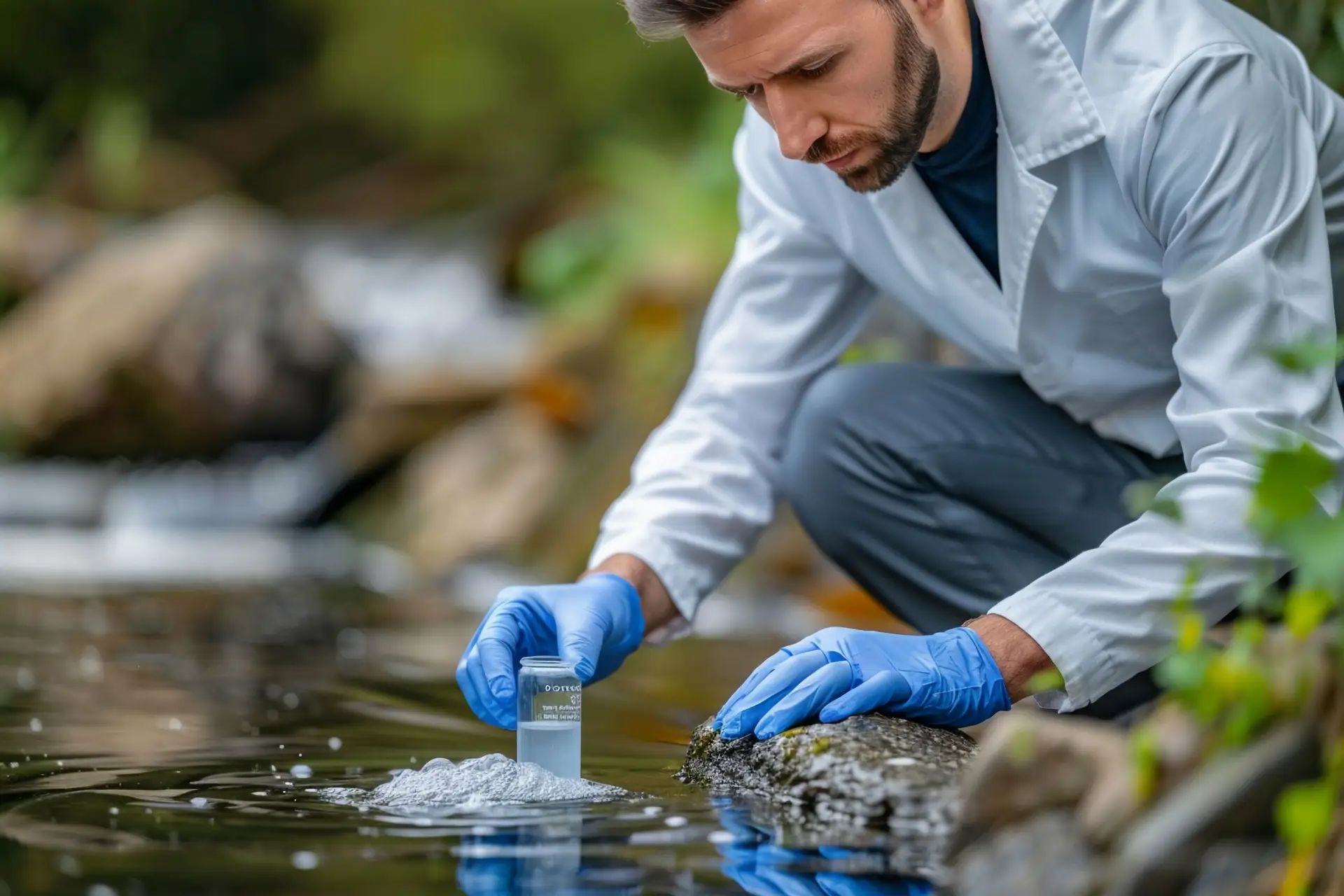
Water testing companies use certified sampling procedures to collect accurate samples. These samples are analyzed in accredited laboratories using advanced methods to detect contaminants such as VOCs, heavy metals, bacteria, and emerging pollutants.
Water quality consultants then interpret the results and provide recommendations based on the findings. This may include treatment solutions, further testing, or ongoing monitoring.
Why Laboratory Analysis Is Essential
Laboratory analysis is the foundation of accurate water quality assessment. Without it, contaminants like VOCs cannot be reliably detected. Certified laboratories follow strict protocols and use specialized equipment to measure even trace levels of contamination.
Laboratory testing provides:
- Accurate detection of contaminants
- Reliable data for decision-making
- Compliance with regulatory standards
For Long Island residents, laboratory analysis ensures that water quality is properly evaluated and that any risks are identified early.
What Homeowners Should Know
For homeowners on Long Island, awareness is key. While public water systems are actively monitored and treated, private wells and property-specific conditions may vary.
Homeowners should consider:
- Regular water testing
- Monitoring for changes in taste, smell, or appearance
- Testing after property purchase or renovations
Professional water testing services provide peace of mind and ensure that water remains safe for everyday use.
Real Estate Considerations
Water quality is an important factor in real estate transactions. Buyers and sellers should be aware of local groundwater conditions, including the presence of the Bethpage plume.
Testing can:
- Identify potential issues before purchase
- Provide transparency in transactions
- Support property value and buyer confidence
Certified laboratory results offer reliable documentation that can be used during negotiations.
The Future of Groundwater Protection on Long Island
Protecting Long Island’s aquifer system is essential for ensuring long-term access to clean drinking water. This requires a combination of environmental monitoring, responsible land use, and ongoing water testing.
The Bethpage plume serves as a reminder of the importance of proactive measures and the long-term impact of contamination. Continued investment in testing, monitoring, and treatment technologies will play a critical role in maintaining water quality.
Conclusion
The Bethpage plume is a significant groundwater contamination issue that highlights the importance of water quality awareness on Long Island. While extensive monitoring and remediation efforts are in place, understanding the risks and taking proactive steps is essential for homeowners and property stakeholders.
Professional water testing services, certified laboratory analysis, and expert consultation provide the tools needed to assess water quality and ensure safety. By staying informed and investing in regular testing, Long Island residents can protect their water supply and maintain confidence in the quality of their drinking water.