
For many Long Island homeowners, the plumbing system is a “set it and forget it” feature of the house until a pipe leaks or a drain clogs. However, the internal health of your plumbing is often written in the chemistry of the water flowing through it. While we often think of water testing as a way to check for environmental pollutants, it serves a dual purpose: it acts as a diagnostic tool for the physical state of your home’s infrastructure.
In neighborhoods ranging from the historic estates of the North Shore to the mid-century builds in Levittown, professional diagnostics are providing a clearer picture of how water and pipes are interacting behind the scenes.
How Water Chemistry Reveals Pipe Health
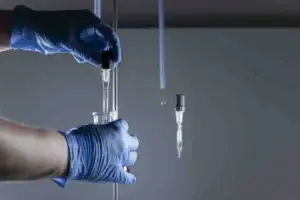
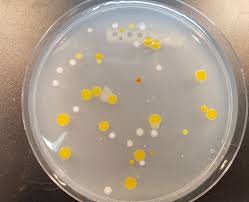
The water on Long Island is drawn from three main aquifers, and its composition can vary significantly depending on your locations. When a professional lab analyzes a sample, they aren’t just looking for bacteria; they are looking for markers of pipe degradation.
- pH Levels and Corrosion: If your water test reveals a low pH (acidic water), it is a major red flag for your plumbing. Acidic water is “hungry” and leaches metals from your pipes.
- Copper and Lead Spikes: High levels of copper or lead often indicate that the water is actively corroding your home’s internal lines. This is especially vital information for specific property types built before the 1986 lead solder ban.
- Scale and Mineral Buildup: Conversely, “hard” water high in calcium and magnesium can lead to scale buildup. While not a health crisis, this buildup narrows the diameter of your pipes, restricts water flow, and forces your water heater to work twice as hard.
Beyond the Visible: Why DIY Kits Fall Short
Many homeowners attempt to diagnose their plumbing health with store-bought “strip” tests. While these can provide a basic baseline, they lack the precision required to understand complex Long Island water issues. Professional water testing services utilize EPA-approved methods that can detect parts-per-billion concentrations of heavy metals and volatile organic compounds.
A professional report doesn’t just give you a “pass/fail” result; it provides a data-driven narrative of what is happening inside your walls. For more information on how to interpret these nuances, our FAQ section covers common terminology and what various chemical spikes might mean for your home.
Protecting Your Investment
Your plumbing is one of the most expensive systems in your home to replace. By integrating regular testing into your maintenance routine, you can catch corrosive trends before they turn into pinhole leaks or systemic pipe failure. This proactive approach is a frequent topic on our blog, where we discuss the intersection of environmental safety and home preservation.
If you are concerned about the age of your pipes or have noticed changes in your water’s taste or clarity, it is time for a professional assessment. Olympian Water Testing of Long Island provides the clarity you need to manage your home’s health effectively.
Get a Clearer Picture Today
Don’t wait for a burst pipe to learn about your water chemistry. Understanding the relationship between your water and your plumbing is the first step toward a safer, more efficient home.
- Explore our services: Water Testing Services
- Identify your risks: Long Island Water Issues
- Schedule an inspection: Contact Us