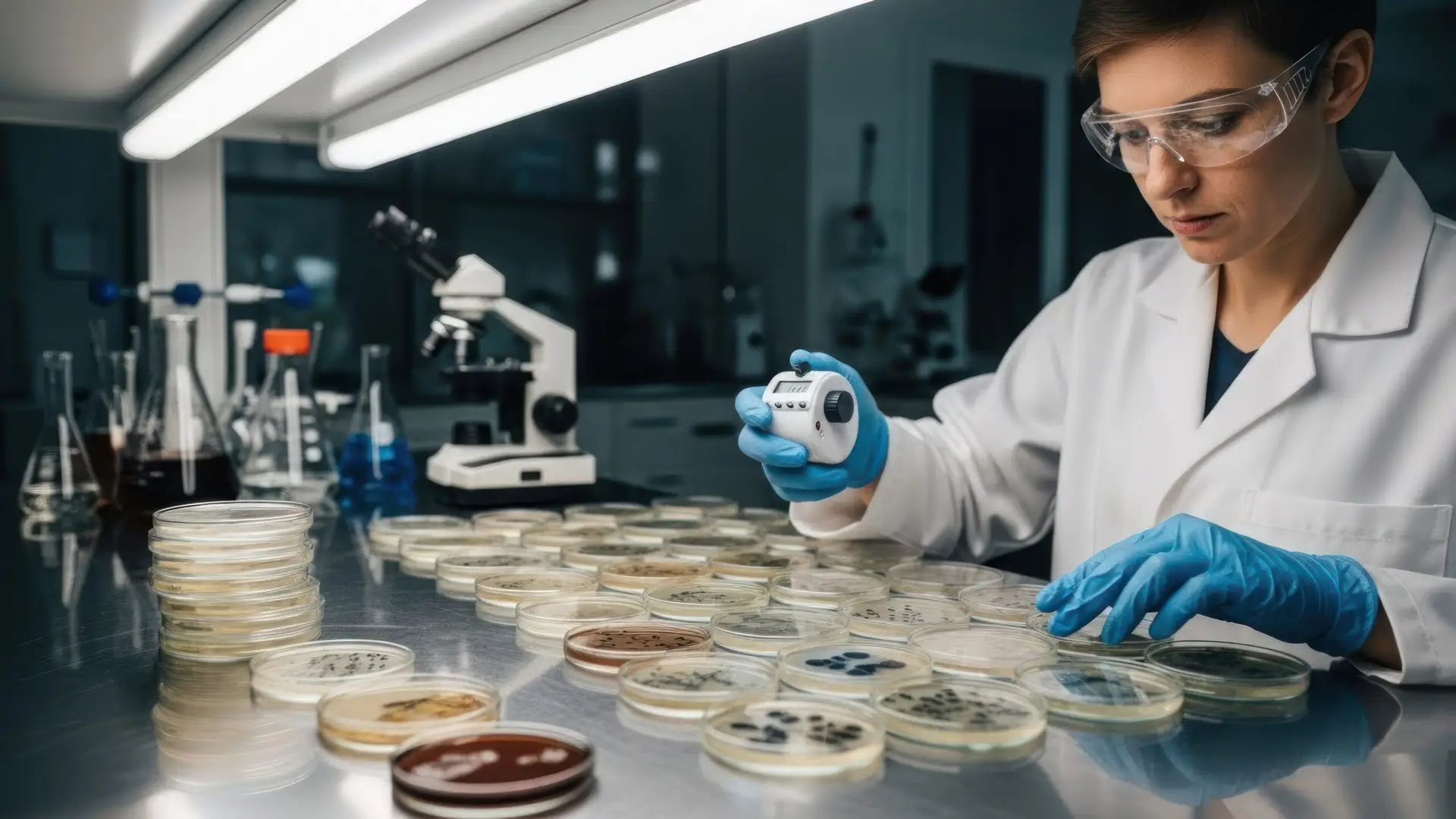

Water testing company Brooklyn provides the lab report that tells you exactly what is in your well water, including whether harmful bacteria are present. When that report comes back positive, the initial reaction is often one of immediate, intense concern. You may find yourself wondering whether the water is safe for brushing teeth, washing produce, or even showering. While the presence of total coliform or E. coli certainly requires attention, it is equally important to pause and seek professional context before making sweeping household decisions.
A “positive” result is not a one-size-fits-all alarm; it is a data point that needs to be interpreted within the specific framework of your home’s plumbing and the surrounding water issues.
Understanding the Difference in “Positive” Results
Not all bacterial detections carry the same level of risk. When laboratories test water, they look for specific indicators:
- Total Coliform: These are a broad group of bacteria found in the environment (soil, vegetation, and surface water). Their presence suggests that the pathway to your well might be compromised, allowing surface-level contaminants to enter your system.
- E. coli (or Fecal Coliform): This is a more serious finding. Because these bacteria originate in the digestive tracts of humans and animals, their presence is a clear indicator of sewage contamination or animal waste entering your water supply.
Understanding which of these was detected is the first step in deciding whether you are dealing with an environmental anomaly or a serious public health concern.
Context Matters: Why Did the Bacteria Appear?
A bacterial hit doesn’t automatically mean your entire aquifer is contaminated. Often, the cause is much more localized. To avoid unnecessary panic and potentially expensive, ineffective repairs, consider these factors:
- The Sampling Process: Improper collection is the most common cause of “false positive” results. If the sampling port or faucet was not properly disinfected before the sample was taken, bacteria from the faucet aerator could have easily contaminated the vial.
- Recent Repairs or Maintenance: Have you recently had work done on your well pump, plumbing, or pressure tank? Any opening of the system can introduce bacteria. This is why professional, properly conducted water testing is essential—it ensures the integrity of the sample from start to finish.
- Well Construction: Sometimes, the issue is an aging well cap, a cracked casing, or a lack of proper surface grading that allows runoff to seep directly into the wellhead. Addressing these structural issues is often far more effective than trying to “fix” the water after it has already been contaminated.
The Dangers of “Quick Fix” Reactions
When homeowners panic after a positive bacteria test, they often rush to install UV light systems, chlorine injection units, or other complex filtration without first identifying the source. If the bacteria are entering through a broken well seal, a filtration system at the kitchen sink might protect your drinking water, but it leaves the rest of your home’s plumbing—where you bathe and brush your teeth—unprotected.
Instead of guessing, use the results as a map to guide your maintenance:
- Confirm and Verify: If an initial test shows bacteria, re-sample to verify the finding.
- Perform a Sanitary Survey: Work with a professional to inspect the physical condition of your well and the surrounding landscape.
- Target the Source: If the problem is a faulty well cap, fix it. If the problem is persistent groundwater contamination, then invest in the appropriate, properly sized treatment system.
Taking the Right Steps for Your Family
You deserve accurate information, not just a set of numbers that cause anxiety. Professional guidance helps you separate a temporary sampling error from a persistent health risk, ensuring that any money you spend on property maintenance is actually solving the problem.
We understand that a positive bacteria result is a stressful moment for any family. Our goal is to provide the context you need to make calm, informed, and safe decisions. For more information on how to interpret test results or to learn about our professional testing standards, check out our FAQ page.
When you are ready to get the facts and secure your water supply, contact our team today. Let us help you ensure your home remains the safe, healthy sanctuary you intend it to be.
Are you dealing with a water quality concern? Don’t make assumptions based on a single report. Reach out to our experts to get the context and professional advice needed to protect your household.