When homeowners receive a water testing report showing the presence of metals like lead or copper, the immediate concern is usually the numbers themselves. You might ask, “Are these levels high?” or “Is it safe to drink?” A trusted water testing consultant Brooklyn looks beyond those figures to uncover what is actually driving them. While the questions about concentration are vital, focusing on them alone is like treating the symptoms of an illness while ignoring the underlying cause.
To truly understand what is happening behind your walls, you have to look at your water’s corrosion indicators. These metrics—such as pH, alkalinity, and hardness—explain why those metals are ending up in your glass in the first place.
The Science of “Aggressive” Water
Water is often referred to as a “universal solvent.” Depending on its chemical makeup, water can be either stable or “aggressive.” Aggressive water is essentially looking to balance its chemistry by leaching minerals from whatever it touches—in your home, that means your plumbing pipes, solder, and fixtures.
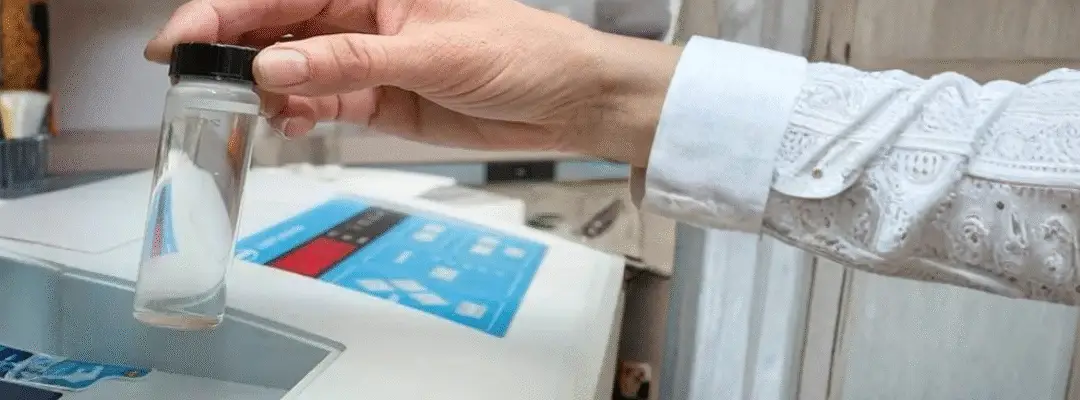
When we perform water testing services, we don’t just report the presence of metals. We analyze the water’s chemistry to see why it is picking them up. This distinction is the difference between a temporary patch and a permanent fix.
Key Indicators That Tell the Story
If your test shows elevated copper or lead, look at these accompanying indicators on your report:
- pH Levels: pH measures the acidity or alkalinity of your water. A low pH (acidic) is one of the most common drivers of corrosion. If your water is acidic, it acts like a mild acid wash, constantly eating away at your copper pipes and brass fixtures.
- Alkalinity: Think of alkalinity as the water’s “buffer.” It is the ability of your water to resist changes in pH. Low alkalinity means your water’s pH can fluctuate wildly, leading to unpredictable corrosion rates.
- Hardness: Surprisingly, moderate hardness can sometimes be a good thing. It creates a thin, protective layer of mineral scale inside your pipes, which acts as a barrier between the water and the metal. Extremely soft water, however, lacks this protection and is often much more corrosive.
Moving Beyond the “Metals” Mindset
If you treat your water by simply installing a point-of-use filter for lead, but you ignore the underlying acidic pH, you are only solving half the problem. The corrosion will continue, and eventually, the plumbing system itself will reach a point of failure—leading to leaks, pipe degradation, and ongoing water quality issues.
By using corrosion indicators to guide your property maintenance, you can implement more effective, long-term solutions:
- Neutralization: If your water is acidic, a simple acid-neutralizing filter can bring the pH into a balanced range, effectively “turning off” the corrosive process at the source.
- Targeted Filtration: Once you know the corrosion profile, you can select a filtration system that is actually compatible with your water’s chemistry.
- Infrastructure Planning: Knowing the state of your internal plumbing allows you to budget for pipe replacement or fixture upgrades before a pinhole leak causes significant water damage.
Understanding Your Home’s Unique Needs
Every house on Long Island has a unique plumbing history. A 1950s home in the suburbs has different corrosion risks than a newer build or a historic property. Professional water testing provides the context that explains why you are seeing the results you see, transforming a confusing list of numbers into a clear, actionable plan.
We know that water chemistry can seem technical, but our team is dedicated to breaking it down into language that makes sense for you and your family. If you’ve received test results and aren’t sure how to interpret them, check out our FAQ page for common explanations, or contact us today for a professional consultation.
Stop reacting to the symptoms and start addressing the cause. When you understand the “why” behind your water quality, you gain the power to make the best decisions for your home’s health and longevity.
Are you concerned about pipe corrosion in your home? Get the full picture beyond the metals report. Schedule a comprehensive analysis today to understand your water’s chemistry.