Children’s Water Concerns: Why We Must Act Before the Scare
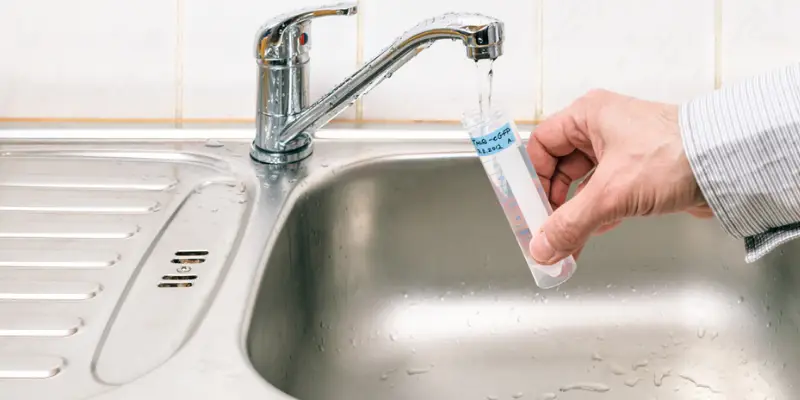
When it comes to the environments where children live, learn, and play, there is zero room for guesswork about water safety. This is exactly why schools and families should partner with a water testing company Manhattan, that regularly assess drinking water long before a problem ever surfaces. Too often, parents and school administrators wait for a clear “trigger,” a publicized local incident, a strange taste, or a sudden health concern, before investing in thorough, professional testing. But reacting only after a scare is a fundamentally flawed strategy. Because children are far more vulnerable to certain contaminants, and because their long-term health is the priority, waiting for a visible or taste-based problem is, quite simply, too late.
Why Children are More Vulnerable
Biological and chemical realities mean that children interact with their environment differently than adults:
- Higher Consumption-to-Body-Weight Ratio: Children drink more water relative to their body weight than adults do. This means they ingest a higher concentration of any potential contaminants per pound of body weight.
- Developing Systems: Lead, nitrates, and other chemical contaminants can have disproportionate effects on developing nervous systems, growth patterns, and overall health.
- The “Silent” Factor: Most of the contaminants that pose the greatest risk to children—such as lead from pipes or certain chemical compounds—are completely invisible, odorless, and tasteless. A child will never know if the water they are drinking at the fountain or from the kitchen sink is compromised.
The Problem with “Wait-and-See”
Many assume that because they live in a developed area, “someone else” is ensuring the water is safe. While municipal water providers perform extensive testing at the source, they have no control over the final, critical point of delivery: the pipes in your home or your child’s school.
The “wait-and-see” approach ignores the most common sources of contamination for children:
- Internal Plumbing: Even if the water entering the building is perfect, aging lead-soldered joints or brass fixtures can leach metals into the water as it sits in the pipes overnight.
- Localized Stagnation: In schools or large homes, water that sits in pipes for hours—during a school day or overnight—is at the highest risk of metal leaching. A single test taken under perfect conditions won’t show you what happens when the pipes are at their most vulnerable.
Moving to a Proactive Culture
Protecting children’s water quality requires shifting from a culture of “reaction” to a culture of “verification.”
- Baseline Testing is a Must: Every home with children should have an independent, comprehensive water quality assessment. This gives you the peace of mind of knowing exactly what is coming through your tap on day one.
- Prioritize “High-Risk” Times: Ensure your water testing includes samples taken after periods of stagnation (such as first thing in the morning) to catch the “worst-case” scenario for your plumbing.
- Advocate for Transparency: In schools and childcare centers, don’t just ask if they test; ask how they test. Are they testing at the fountain? Are they testing after the water has been sitting in the pipes? Do they share the results with parents in a way that provides clear, actionable context?
- Implement Targeted Solutions: If your water shows issues, don’t panic. Modern filtration technology can effectively remove or neutralize almost any contaminant found in water. The solution is often simpler and more affordable than most parents fear.
Peace of Mind is the Goal
You work hard to provide a safe, healthy home for your family. Water quality should be a foundational part of that effort, not an afterthought that only gets attention when something goes wrong.
We encourage you to visit our FAQ page to understand the specific testing protocols we recommend for households with children. When you are ready to take the guesswork out of your home’s water safety, contact our team to schedule an assessment. It is a small step that pays dividends in your children’s long-term health and your own peace of mind.
Are you concerned about the water your children are drinking? Don’t wait for a scare to find out if your water is safe. Contact us today to schedule a professional, comprehensive assessment.
How would you like to proceed with setting up a water quality assessment for your home or facility?