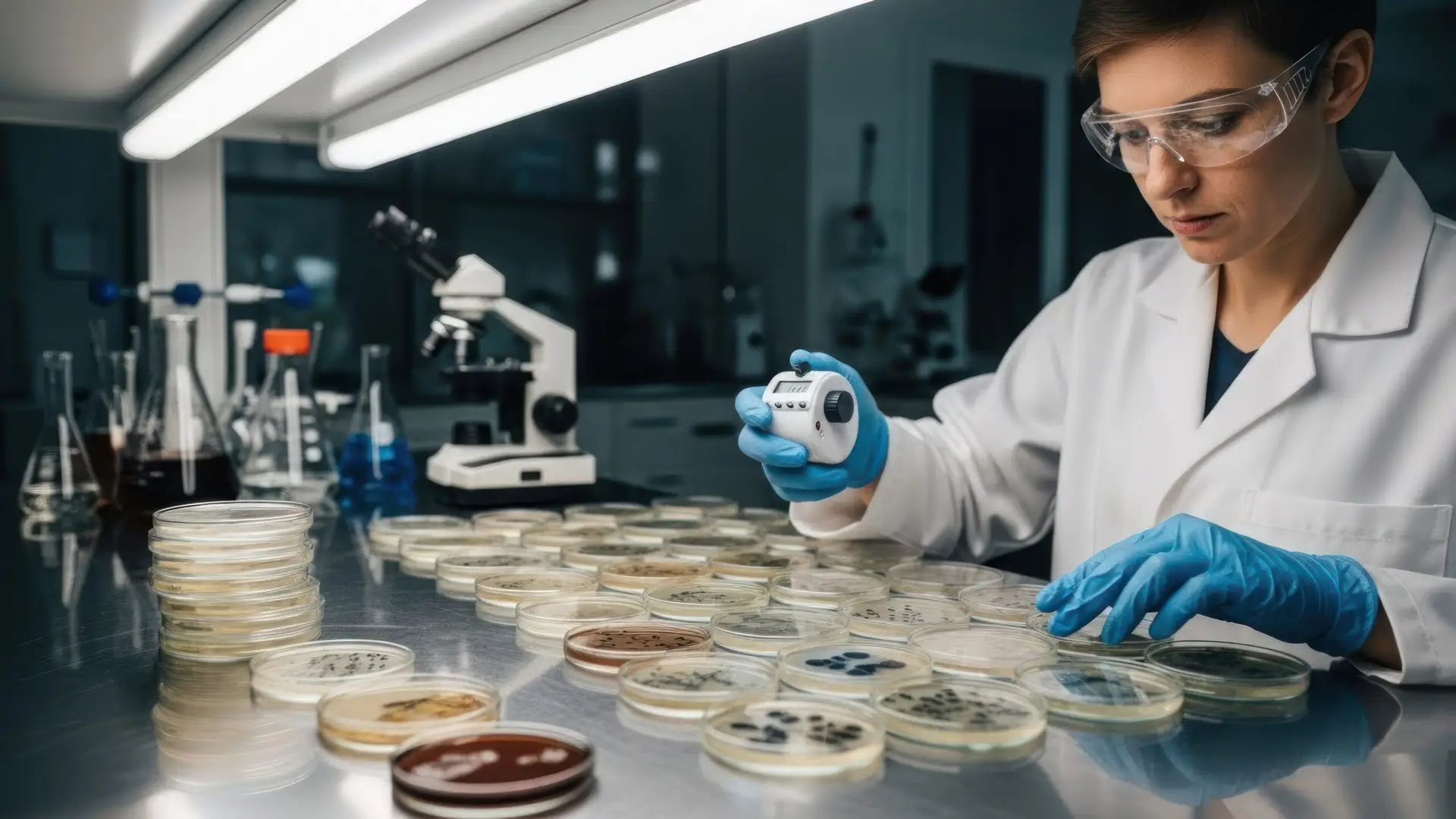

For many homeowners, water testing services Manhattan are treated as a one-time “event”—perhaps done during a property purchase or in response to a sudden issue like an unpleasant smell or a burst pipe. However, viewing water quality testing as a recurring maintenance task rather than a sporadic reaction is one of the most effective ways to protect both your health and your financial investment.
By establishing a long-term record of your home’s water quality, you create a “health history” for your plumbing that proves its worth in ways you might not expect.
Why “History” Matters in Home Maintenance
A single, isolated water test provides a snapshot in time. A series of tests over several years provides a trend line. This distinction is crucial for several reasons:
- Early Warning Systems: Water chemistry rarely changes overnight. By reviewing test results annually, you can spot subtle shifts—such as a gradual decline in pH or a slow creep in mineral levels—long before they manifest as the “rotten egg” odors or rusty stains that signify a major problem. Catching these trends allows you to perform minor maintenance, like recalibrating a softener or replacing a filter cartridge, rather than replacing an entire plumbing system.
- Proof of Integrity: If you ever decide to sell your home, having a multi-year file of professional water quality reports is a powerful asset. It demonstrates to potential buyers that the home has been diligently maintained, providing them with the same “peace of mind” that you enjoyed.
- Liability and Documentation: In areas where local environmental conditions (like agricultural runoff or industrial changes) may affect groundwater, having a historical record of your water’s quality can be your best protection. Should a local event ever compromise your area’s aquifer, you have documented proof of your baseline conditions.
What Your “Water Records” Should Include
To make your testing records as useful as possible, aim for consistency. Your home’s “Water File” should ideally include:
- Annual Baseline Data: Include standard indicators like pH, total dissolved solids (TDS), and hardness. These are the “vital signs” of your home’s water.
- Targeted Safety Tests: Depending on your location and water source (private well vs. municipal), include regular checks for bacteria (E. coli and total coliform) and nitrates.
- Maintenance Logs: Attach notes regarding any equipment serviced, such as the date your water softener media was refreshed or when your UV light bulb was replaced. This ties the reason for the maintenance back to the data from your tests.
Translating Data into Proactive Care
When you have a record to refer back to, you stop guessing. If you notice a change in water taste, you aren’t just “wondering” if it’s normal—you can look at your last three years of reports to see if this is a seasonal fluctuation or a genuine anomaly.
This data-driven approach saves you money by preventing:
- Over-Treatment: You won’t be sold expensive, unnecessary filtration systems if your long-term records show your water chemistry is stable.
- Premature Failure: By identifying corrosive water early (low pH), you can adjust your treatment to save your water heater and copper piping from expensive, premature replacement.
Your Home’s Health is a Long-Term Project
Water testing is not just about identifying a “bad” result; it is about documenting a “good” standard of living. Just as you keep records for your car’s service or your home’s major renovations, your water quality records are a testament to the care you’ve invested in your sanctuary.
If you are ready to start building your home’s water quality history, we are here to help. You can learn more about the benefits of standardized testing on our FAQ page, or contact our team to schedule your first baseline assessment. Start creating your record today—your future self (and your future home buyers) will thank you.
Are you ready to stop guessing about your home’s water? Start your long-term maintenance records with a professional, comprehensive water analysis today.