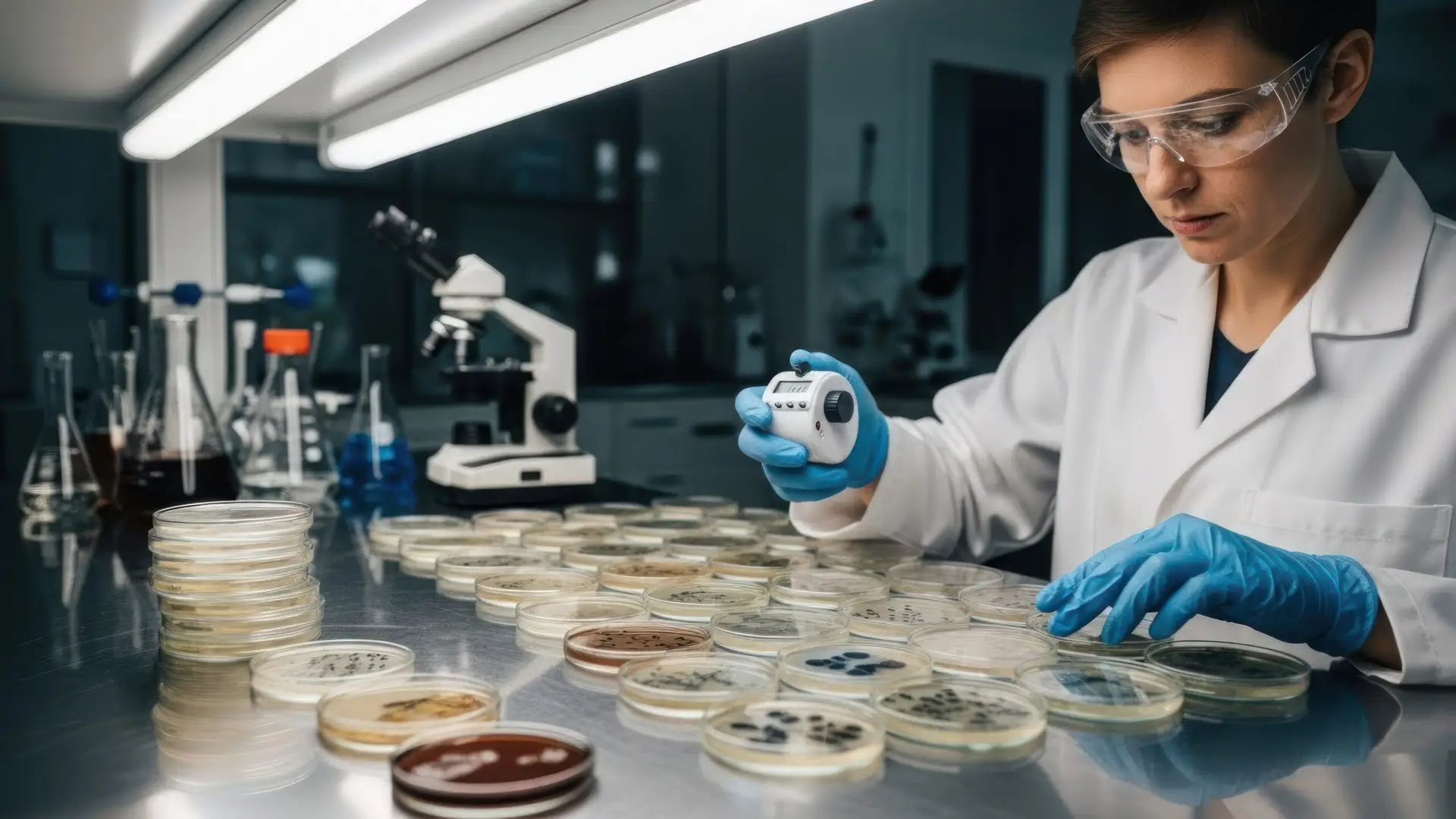
Protecting Your Home with Professional Water Analysis in Brooklyn is one of the most important steps you can take to keep your family safe. If you want clear, science-based answers, working with certified water testing laboratories Brooklyn is the best way to understand exactly what is coming out of your tap. You likely spend a lot of time on home maintenance. You change smoke alarm batteries, service your boiler, and clear your gutters. Yet, the plumbing that delivers the water you use for cooking, drinking, and bathing is often neglected. Water travels through aging city infrastructure and old pipes, but few homeowners ever stop to ask whether that journey is safe. Professional water analysis takes the guesswork out of the process. It helps you see exactly what is in your water so you can make informed decisions. This guide will walk you through common water quality issues in our local homes and help you see why professional testing belongs on your annual maintenance list right next to your other home chores.
Excellent Water, Uncertain Delivery
New York City’s drinking water is genuinely good. It comes from protected upstate watersheds, receives treatment and disinfection, and arrives at the street main meeting every federal and state standard. That reputation is deserved and it is not in dispute.
The city’s responsibility stops at your property line. From that point forward, the water belongs to your plumbing: the service line running under your yard, the pipes threading through your walls, the water heater in the basement, the fixtures at your sink. Brooklyn’s housing stock is old, and old plumbing changes water in ways the treatment plant cannot anticipate or prevent.
This is the distinction that trips up homeowners. When people say New York water is safe, they are describing a reservoir a hundred miles north. They are not describing your kitchen faucet, and nobody has ever tested your kitchen faucet unless you asked them to.
What Brooklyn Homes Do to Their Own Water
Pre-1986 Plumbing
Enormous swaths of Brooklyn were built before 1986, when lead solder, lead service lines, and lead-bearing brass fixtures were legal and standard. Brownstones in Bed-Stuy and Park Slope. Row houses in Bay Ridge and Sunset Park. Multifamily walk-ups across Bushwick, Flatbush, and Sheepshead Bay. Much of that original plumbing is still in service, still leaching, and still invisible behind the plaster.
A Century of Piecemeal Repair
Almost no Brooklyn home has been fully replumbed. It has been patched. A copper section replaced after a leak in 1994. A galvanized steel run that nobody touched. PEX added during a bathroom renovation. Joining dissimilar metals accelerates corrosion at every junction, and each corroding joint sheds particles into the water passing through.
Rooftop Tanks in Taller Buildings
Brooklyn’s larger apartment buildings rely on rooftop storage tanks. City law requires annual cleaning and testing. Enforcement depends on owners following through, and owners do not always follow through. Sediment settles, warm summer water encourages bacterial growth, and everything in that tank flows down to the apartments below.
Converted Industrial Buildings
Loft conversions across Williamsburg, Greenpoint, Gowanus, and Dumbo turned factories and warehouses into residences. The plumbing in those buildings was often designed for industrial use, retrofitted for domestic water, and never fully replaced. The history of what those pipes once carried is rarely documented.
Aging Water Heaters
Sediment accumulates in the tank over years. The anode rod eventually stops protecting against corrosion, and the tank begins corroding into the water. Inadequate temperature settings allow bacteria, including Legionella, to establish.
The Contaminants That Matter
Lead: The One That Never Announces Itself
Lead deserves separate treatment because it breaks the rules every other contaminant follows.
Lead in water is colorless, odorless, and tasteless. A home with a serious lead problem produces water that looks crystal clear, tastes clean, and smells of nothing at all. Your family can drink it every day for a decade while everything appears completely normal.
It leaches from lead solder, lead service lines, and old brass fixtures, and it leaches most aggressively when water sits still in the pipes overnight or when hot water runs through them. Health authorities recognize no safe level of exposure. The damage falls hardest on infants, young children, and pregnant residents, affecting brain development, learning, and behavior permanently.
No sensory check detects it. No visual inspection rules it out. Only laboratory analysis measures it.
Coliform Bacteria and E. coli
These organisms indicate that something has breached the water system, whether a corroded pipe, a compromised storage tank, or a cross-connection. Contaminated water looks perfectly clear. By the time illness reveals the problem, the household has been drinking it for a while.
Copper
Copper pipes leach under corrosive water chemistry and long contact times. It sometimes produces a metallic taste or blue-green staining, and sometimes it produces nothing detectable while still causing gastrointestinal distress and, over years, organ damage.
Iron, Manganese, and Sediment
Deteriorating pipes shed particles that discolor water, stain fixtures, and collect in aerators. Sediment itself is more nuisance than hazard, but it is the visible proof that the plumbing is breaking down, which means the invisible contaminants are being released alongside it.
Water Chemistry
pH and mineral balance determine how aggressively water attacks the pipes it moves through. Corrosive water pulls more lead and copper into solution, which makes chemistry a driver of every metal problem above.
How Professional Analysis Actually Works
Controlled Sample Collection
This is the stage that determines whether the result means anything. Technicians use sterile containers and follow strict protocols on timing and handling.
For lead, they typically collect a first-draw sample, taken after water has sat motionless in the pipes for hours, capturing the peak concentration. They pair it with a flushed sample, collected after the tap has run. The comparison is diagnostic. A high first draw with a clean flush points to your own fixtures and interior plumbing. Elevated readings in both point upstream to the service line.
That distinction determines what you fix, and fixing the wrong thing is expensive.
Laboratory Measurement
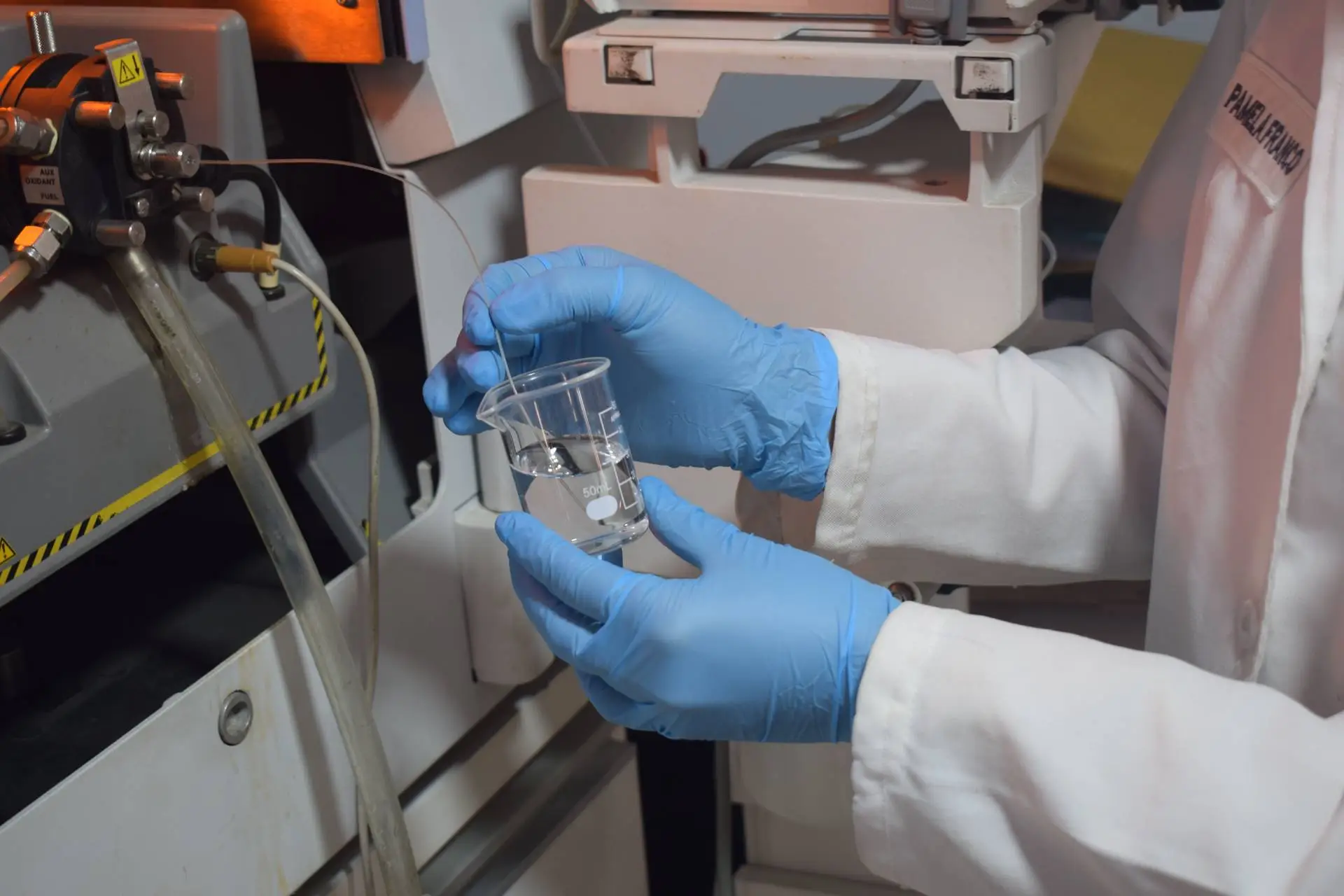
Instruments detect metals at parts-per-billion concentrations, far below any human threshold. Bacterial cultures reveal coliform and E. coli. Calibrated meters measure pH, chlorine residual, turbidity, and total dissolved solids.
Comparison and Interpretation
Every result gets measured against Environmental Protection Agency and New York State standards, so you receive not just a number but a verdict, along with an explanation of what it means and where the problem originates.
Why Home Kits Fall Short
Drugstore strips cost little and can catch something dramatic. They cannot do this job. Lead is dangerous at concentrations far below what a color-changing strip can resolve, so a strip reading “negative” often means “below my detection limit,” which is a different statement entirely. Kits also lack controlled sample handling, calibration against known standards, and the documentation you would need to compel a landlord or a co-op board to act.
When Brooklyn Homeowners Should Analyze
- Your home was built before 1986. This alone is sufficient reason, regardless of how the water looks or tastes.
- An infant, young child, or pregnant resident lives in the home. Treat this as urgent rather than optional.
- You just bought the house. You have inherited plumbing whose history you do not know.
- The home sat vacant. Water standing motionless for weeks accumulates metals and loses its chlorine residual.
- Your water changed in taste, color, odor, or clarity.
- Street work or a main break happened nearby, disturbing deposits and connections.
- You live in a building with a rooftop tank and cannot get a recent cleaning date from management.
- Nobody has ever tested your tap. In that case you have no data at all about water your family drinks daily.
Steps That Reduce Exposure Right Now
- Flush your cold tap for thirty seconds to two minutes before drinking or cooking, especially first thing in the morning or after a weekend away.
- Never use hot tap water for drinking, cooking, or mixing baby formula. Heat dramatically accelerates lead leaching. Start cold and heat it on the stove.
- Clean your aerators every few months. Sediment and lead particles collect at the faucet tip and dissolve into water passing through.
- Drain your water heater annually to clear accumulated sediment.
- Use a filter certified for lead reduction, and replace the cartridge on schedule. An expired filter can release what it collected.
Every one of these habits helps. Not one of them tells you whether you have a problem. They manage a risk you have not measured.
What Analysis Gives a Homeowner That Nothing Else Can
A Definitive Answer
Not a reassurance, not an impression, not a comparison to a neighbor. A measured value with a safety threshold beside it.
The Source, Not Just the Symptom
Paired sampling localizes the problem. Replacing a faucet is a small job. Replacing a service line is a major one. Knowing which you need before you spend the money is the difference between a fix and a guess.
Documentation With Weight
If you rent, or sit on a co-op board, or need to press a managing agent to act, a certified laboratory report compels action in a way that a complaint never will.
A Baseline for the Future
Pipes corrode progressively. A documented result today gives you something to compare against in five years, turning water quality into a maintained system rather than a permanent unknown.
Frequently Asked Questions
Is Brooklyn tap water safe to drink?
The city supply meets or exceeds every federal and state standard when it reaches the street main. Contamination typically develops inside individual homes and buildings, where aging pipes, lead solder, old fixtures, and rooftop tanks introduce lead, bacteria, and sediment. Your tap’s safety depends on your plumbing, not on the reservoir.
My water looks and tastes perfect. Do I still need analysis?
If your home was built before 1986, yes. Lead is colorless, odorless, and tasteless, so flawless-looking water can still carry unsafe levels. Sensory quality reveals corrosion and sediment; it reveals nothing whatsoever about lead.
What is the difference between a first-draw and a flushed sample?
A first-draw sample is collected after water has sat in the pipes for hours, capturing peak metal levels. A flushed sample is taken after the tap has run. Comparing them shows whether contamination originates in your own fixtures and interior pipes or upstream in the service line, which determines what needs to be replaced.
Are home test kits good enough?
No. They lack the sensitivity to detect lead at health-relevant concentrations, lack controlled sample handling and calibration, and produce no documentation you can use to compel a repair. They offer a rough screen, not an answer.
Should I test after buying a Brooklyn home?
Yes. You have inherited plumbing with an undocumented history, possibly including original lead solder, partial replacements in unknown materials, and a period of vacancy during which water stood still in the pipes. Testing establishes a baseline and catches anything the inspection missed.
What do I do if analysis finds a problem?
Switch to filtered or bottled water for drinking and cooking immediately. Use the report to identify the source, then have a plumber replace the responsible component, whether that is the fixtures, the solder joints, or the service line. If you rent, deliver the certified results to your building owner in writing with a request for remediation and follow-up testing, and file a complaint with the New York City Department of Health and Mental Hygiene if they fail to act.
Add the Water to Your Maintenance List
You already protect this house from the things that could hurt it. You check the detectors, service the systems, and fix small problems before they become large ones. The water running through your walls deserves the same treatment, and it is the only household system whose contents your family consumes directly, several times a day, every day.
The trouble is that the most serious threat in Brooklyn plumbing will never show itself in a glass. Lead does not discolor water, does not change its taste, and does not warn anyone. It simply arrives, and keeps arriving, until someone measures it.
Olympian Water Testing uses certified laboratory protocols, screens for lead, bacteria, metals, and every contaminant that aging pipes and neglected tanks release, and returns a clear report explaining what the numbers mean and what to do next. Contact Olympian Water Testing today, schedule an analysis for your home, and turn a daily unknown into a documented certainty.