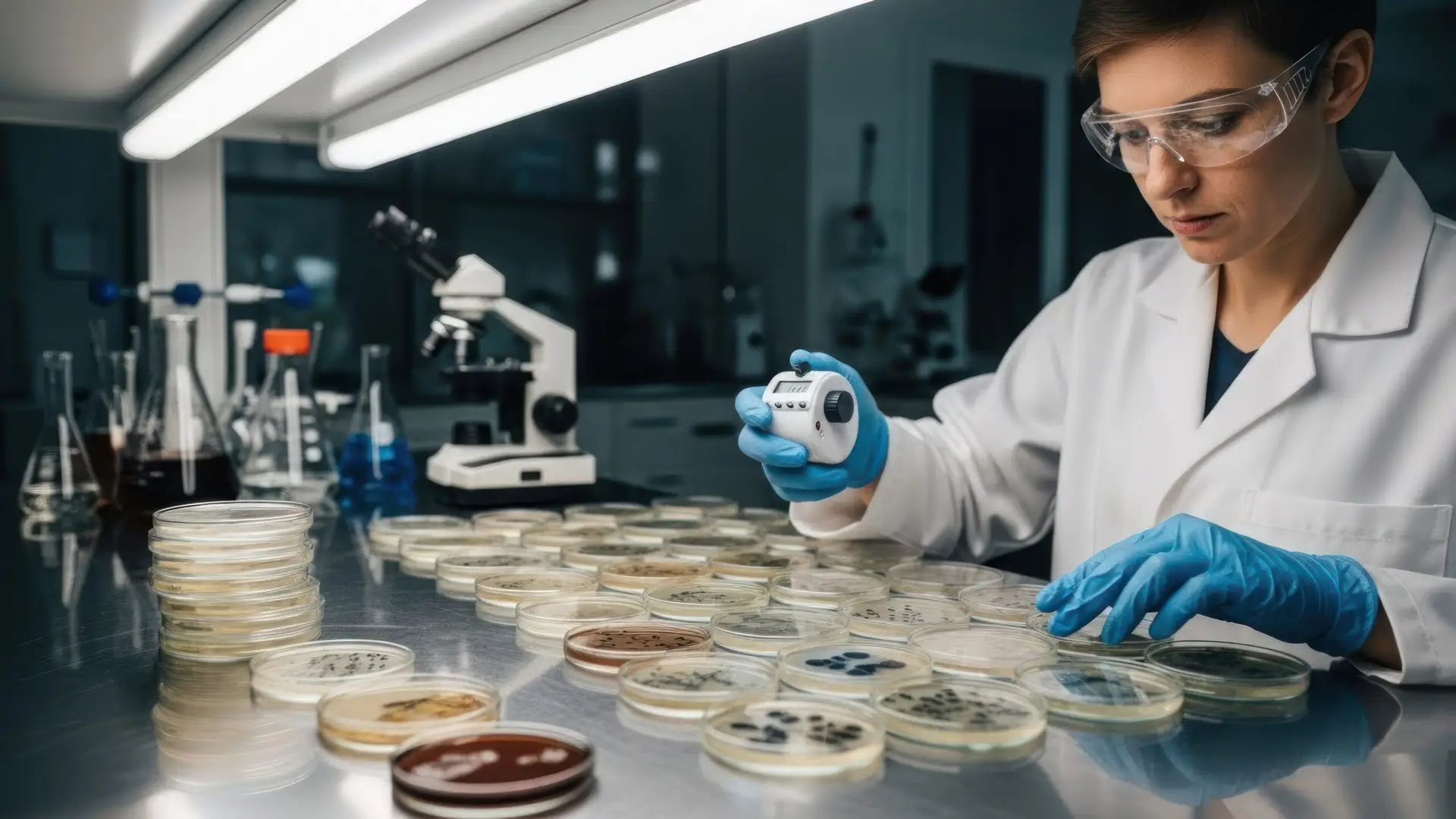

Most Queens homeowners never think about their water quality until something goes visibly wrong. A professional water testing consultant Queens can help you uncover potential risks long before they ever show a visible sign. Brown water in the morning, a strange taste, or orange stains in the tub are certainly warnings worth acting on, but they represent only half the picture. The other half involves silent conditions that offer no alerts at all, and it is often these invisible issues that matter most for your household’s safety. This guide covers every reason your Queens home might need an expert water evaluation, helping you move from guessing the quality of your tap water to having full confidence in it.
Two Kinds of Warning Signs
Water problems announce themselves in two ways, and understanding the difference is essential.
The first category is sensory. Discoloration, odd taste, unusual odor, visible particles, staining. Your senses detect these directly, and they are reliable indicators that something in your plumbing is deteriorating.
The second category is circumstantial. These are facts about your home that raise your risk regardless of how the water looks or tastes. The age of your house. The material of your pipes. Whether your basement floods. Whether a child lives in the home.
Homeowners overwhelmingly focus on the first category and ignore the second. That instinct is understandable and it is dangerous, because the most serious contaminant in Queens plumbing produces zero sensory warning. If you wait for a sign you can see, you will never see the one that matters.
Sensory Signs: What Your Water Is Showing You
Brown, Yellow, or Rust-Colored Water
Discoloration, especially on the first draw of the morning, means iron or galvanized steel pipes are shedding rust into the supply. Overnight, water sits motionless and dissolves accumulated corrosion.
Recurring morning discoloration is not cosmetic. It means the plumbing is actively breaking down, and pipes that release iron are usually releasing other metals alongside it.
A Metallic or Bitter Taste
A tinny, coppery, or bitter flavor points to dissolved metals in the water. This typically means water is spending too long in contact with metal pipes, whether because of stagnation, long pipe runs, or corrosive water chemistry.
Musty, Earthy, or Sulfurous Odors
A stale or musty smell suggests biological activity, often in a water heater or a stagnant line. A rotten-egg smell indicates sulfur bacteria or a deteriorating water heater anode rod. Either way, something in the system is hosting growth that should not be there.
Cloudy Water That Does Not Clear
Water that stays hazy in a glass rather than settling within a few seconds carries suspended particles. Cloudiness that appears after someone runs a shower or a washing machine points to pressure changes dislodging scale from the pipe walls.
Grit or Flakes in the Aerator
Unscrew the tip of your faucet and look. Sand, rust flakes, or particles collecting there mean debris is circulating through your system. That trapped sediment also holds lead particles, which dissolve into water passing through.
Persistent Staining in Sinks and Tubs
Orange or rust-colored rings indicate iron. Blue-green or turquoise residue indicates copper leaching. Both mean metals are dissolving into your water in quantities large enough to leave physical evidence behind.
Reduced Water Pressure
Falling pressure at your fixtures often means scale and corrosion have narrowed the interior of your pipes. It is a slow signal, easy to adapt to and easy to ignore, and it reflects years of accumulating deterioration.
Circumstantial Signs: What Your Home Is Telling You
These conditions warrant testing even when your water looks and tastes perfect.
Your Home Was Built Before 1986
This is the single most important circumstantial sign, and it covers an enormous share of Queens housing. Before 1986, lead solder, lead service lines, and lead-bearing brass fixtures were legal and standard. Vast stretches of Woodside, Ridgewood, Astoria, Jamaica, Flushing, Ozone Park, and dozens of other neighborhoods date from that era, and much of the original plumbing remains in service.
Lead is colorless, odorless, and tasteless. No amount of clear, delicious-tasting water rules it out. If your home predates 1986 and has never been tested at the tap, that fact alone is sufficient reason to test.
A Young Child, Infant, or Pregnant Resident Lives in the Home
Lead causes the greatest harm to developing brains, and the damage does not reverse. Infants who drink formula mixed with tap water consume a large volume relative to body weight. If any of these people live in your household and you have never tested, treat testing as urgent rather than optional.
Your Basement Floods
Across Southeast Queens, a recovering aquifer has pushed the water table up beneath homes in Jamaica, St. Albans, Hollis, Springfield Gardens, Laurelton, and Rosedale. Chronic groundwater intrusion saturates the soil around buried service lines, accelerating corrosion. During heavy storms, sewer backups can introduce sanitary sewage. Where a compromised pipe meets a drop in internal pressure, contaminated groundwater can enter the supply. Any home with a recurring flooding problem should be testing its drinking water.
You Live in a Two-Family Home
Queens is built on two-family houses. One service line, one water heater, and often shared risers serve both units. A vacant apartment leaves water stagnating in lines that connect to yours. Deterioration anywhere in the shared system affects both households. Both units should be tested, not just one.
Your Plumbing Has Never Been Fully Replaced
Most older Queens homes have been patched rather than replumbed. Copper spliced to galvanized steel spliced to whatever was cheapest that decade. Joining dissimilar metals accelerates corrosion at every junction, and each corroding joint releases particles into the water.
Street Work or Construction Happened Nearby
Excavation, main repairs, and heavy equipment vibration can disturb service lines and dislodge accumulated deposits, sending a slug of contaminants toward your home. A test after significant nearby work is a reasonable precaution.
Your Home Sat Vacant
If you just bought a house that was empty for months, or you returned from an extended absence, water has been standing motionless in the pipes the entire time. Stagnant water absorbs the most metal and loses the chlorine residual that suppresses bacterial growth. Flush thoroughly and test.
You Have Never Tested at the Tap
City distribution monitoring measures the supply, not your faucet. A test done on your building years ago measures a system that has aged since. If nobody has ever collected a sample at the point where your family drinks, you have no data at all about the water your family drinks.
The Signal That Never Comes
It is worth stating plainly one more time, because it undermines the entire instinct most homeowners rely on.
The most dangerous contaminant in Queens plumbing is lead, and lead is invisible in every sense. It does not discolor water. It does not change the taste. It has no odor. It leaves no stain. A home with a serious lead problem produces water that looks and tastes exactly like a home with none.
This means the checklist of sensory signs, useful as it is, cannot protect you from lead. Only laboratory testing can. Every family waiting for a visible warning is waiting for something that will never arrive, while the exposure continues daily.
What a Professional Test Measures
A certified laboratory screens your water against Environmental Protection Agency and New York State standards:
- Lead and copper, typically using a first-draw sample collected after water has sat overnight, when levels peak, paired with a flushed sample taken after the tap has run. Comparing the two reveals whether contamination originates in your fixtures or further upstream in the service line.
- Coliform bacteria and E. coli, the standard indicators of biological contamination, especially relevant after flooding or in homes with stagnant lines.
- Iron and manganese, which quantify how far pipe corrosion has advanced.
- pH, chlorine residual, and total dissolved solids, which describe how corrosive and how well-disinfected the water remains.
- Turbidity and sediment, which confirm the source of cloudiness and the condition of the pipes.
The report gives you a measured value, a safety threshold to compare it against, and a clear direction for what to do next.
Why Home Test Kits Are Not Enough
Drugstore test strips offer a rough impression and can flag something dramatic. They cannot deliver the precision that matters here. Lead is dangerous at very low concentrations, and detecting those concentrations requires laboratory instruments, calibration, and sterile sample-handling protocols that a strip dipped in a cup cannot reproduce.
A certified test also produces documentation. If you rent, or if you need to press a landlord or a co-op board to act, a laboratory report carries weight that a color-changing strip never will.
Steps to Take While You Arrange a Test
- Flush your cold tap for thirty seconds to two minutes before drinking or cooking, especially in the morning or after time away.
- Never use hot tap water for drinking, cooking, or baby formula. Heat accelerates lead leaching. Start cold and heat it on the stove.
- Clean your aerators to remove trapped sediment and lead particles.
- Use a filter certified for lead reduction, and replace the cartridge on schedule. An expired filter can release what it collected.
- Drain your water heater annually to clear accumulated sediment.
Frequently Asked Questions
My water looks and tastes fine. Do I still need a test?
If your home was built before 1986, yes. Lead is colorless, odorless, and tasteless, so water that looks and tastes perfect can still contain unsafe levels. Sensory quality tells you about corrosion and sediment, but it tells you nothing at all about lead.
Why is my water brown only in the morning?
Overnight, water sits motionless in the pipes and dissolves accumulated rust. The first draw carries that concentration to your tap, and it clears once fresh water flushes through. Recurring morning discoloration indicates actively corroding iron or galvanized steel pipes.
Should I test after my basement floods?
Yes. Groundwater intrusion and sewer backups can damage buried service lines and create pathways for contamination to reach your drinking water. In Southeast Queens, where a rising water table makes flooding a chronic condition, periodic testing is a sensible standing practice rather than a one-time response.
How often should a Queens homeowner test?
Test at minimum whenever a triggering condition appears: a change in taste, color, or odor, a flooding event, nearby street work, a period of vacancy, or the arrival of a new baby. Homes with pre-1986 plumbing benefit from periodic testing even absent any trigger, since pipes continue to corrode over time.
Are home test strips reliable?
They provide a rough impression and can catch something obvious, but they lack the precision to detect lead at the low concentrations that matter for health. They also lack the sample-handling protocols and documentation that certified laboratory testing provides.
What happens if the test finds a problem?
Switch to filtered or bottled water for drinking and cooking right away. If you own the home, have a plumber identify and replace the source, whether that is the service line, the solder joints, or the fixtures. If you rent, deliver the certified results to your building owner in writing with a request for remediation and follow-up testing, and file a complaint with the New York City Department of Health and Mental Hygiene if they fail to act.
Stop Waiting for a Sign That Will Never Come
Brown water, odd tastes, and stubborn stains all deserve your attention, and any one of them justifies a test today. But the most consequential reason to test your water has nothing to do with what you can see. If your Queens home was built before 1986, if a child lives there, if your basement takes on water, or if nobody has ever sampled your tap, you already have every reason you need. Contact Olympian Water Testing today to schedule a test for your home and find out what has been coming out of your tap all along.